About
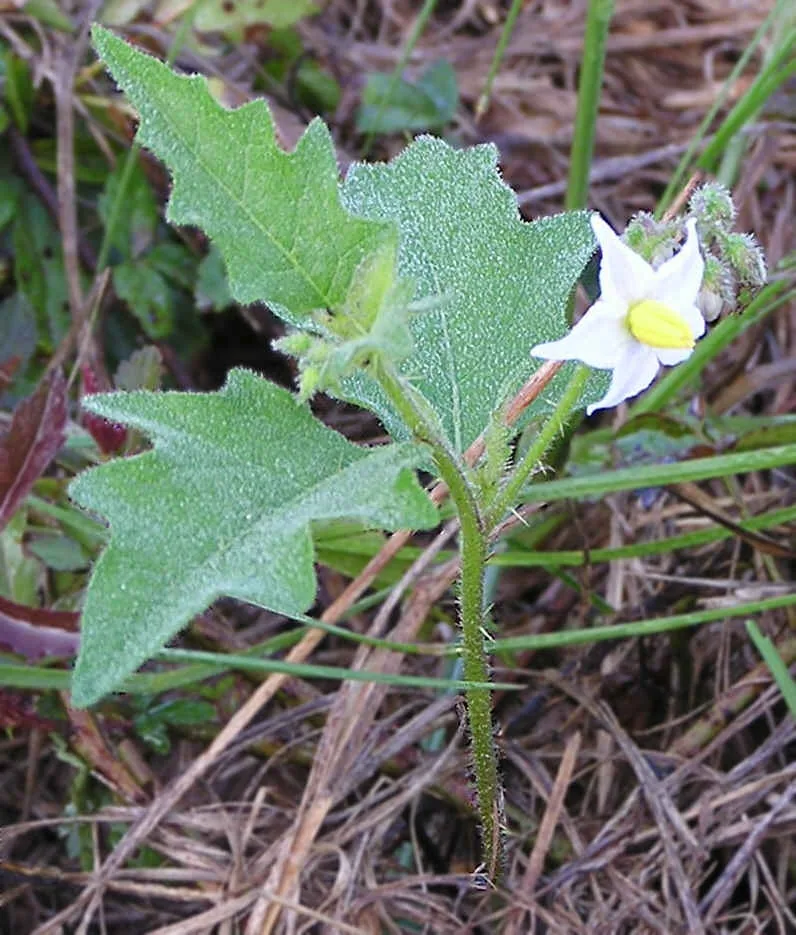
Horse nettle (Solanum carolinense) is a deep-rooted herbaceous perennial nightshade of pastures, roadsides, and disturbed ground across eastern and central North America, with lobed leaves, purple star flowers, and yellow berries that look like toy tomatoes but carry solanine chemistry you should not cosplay. Livestock and curious mammals can be poisoned by grazing; humans confuse it with other solanums at their peril. In ecology it feeds specialist insects and teaches respect for plant ID—cultivation is rarely intentional except in native plant collections with signage and ethics. Full sun; tolerates droughty, low-fertility soils and heavy clay once established—taprooted toughness is the brand. Thrives where soil is disturbed and competition is weak. Not shade-tolerant long term; dense cover suppresses it better than moral lectures. Spreads by rhizomes and seed; root fragments resprout—tillage without follow-up can multiply patches. Do not propagate for food systems; if managing out of pastures, combine mowing timing with competitive perennial grasses. Do not harvest for food. For research or seed banking, collect ethically with permits; wear gloves—spines on stems and leaves are sincere.
Permaculture Functions
- Wildlife Attractor: Solanum carolinense flowers feed native bees while foliage hosts specialist hornworms and beetles -- valuable in restoration buffers, unacceptable in horse pastures because alkaloids poison grazers.
- Pest Management: Plant solanaceous pest pressure near the patch edge downwind of tomatoes -- scout Colorado potato beetles here first so you treat or hand-pick before explosions reach cash crops.
- Medicinal: Traditional use stays external and experimental -- internal use of any part is unsafe because solanine and solasidine glycosides do not negotiate with mammalian nerves.
- Border Plant: Spiny stems and prickly leaves make rough barriers along fencerows -- wear gloves; rhizomes resprout from fragments, so mowing without follow-up multiplies patches.
Companion Planting
- Toxic berries and foliage for humans and many livestock—do not plant near animal paddocks or children's foraging curricula
Threats & Pressure