About
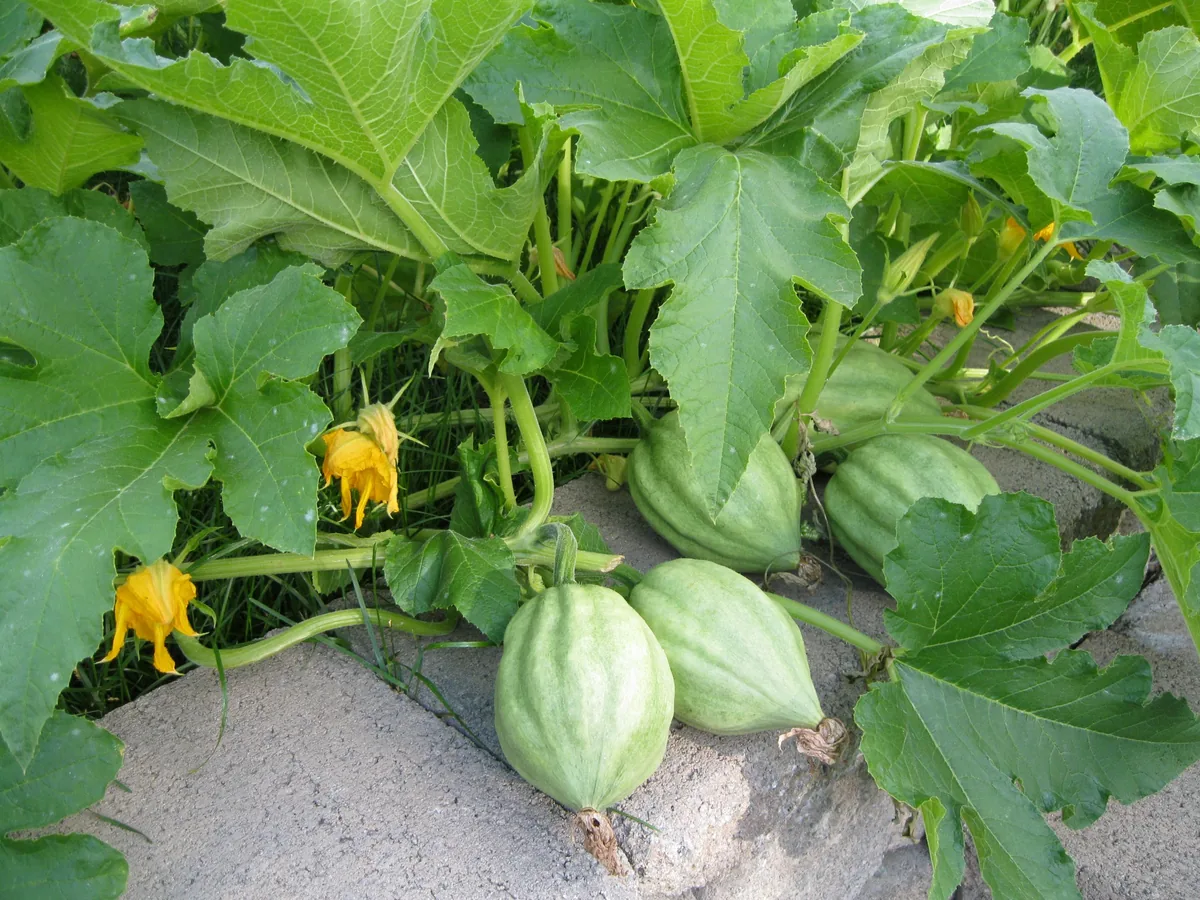
Acorn squash is a variety of winter squash recognized for its distinctive ribbed exterior and acorn-like shape. The most common cultivars exhibit dark green skin, occasionally accented with patches of orange or yellow, and encase sweet, tender, yellow-orange flesh. Typically weighing between 1 to 2 pounds (0.45 to 0.9 kilograms) and measuring approximately 10 to 18 centimeters (4 to 7 inches) in length, acorn squash is a versatile addition to various culinary dishes. Acorn squash thrives in full sun, necessitating at least 6 to 8 hours of direct sunlight daily. The plants prefer well-draining soil rich in organic matter, with a slightly acidic to neutral pH ranging from 5.5 to 6.8. Consistent moisture is crucial; however, overwatering should be avoided to prevent root rot. Deep watering once per week is recommended, ensuring the soil remains moist but not waterlogged. Propagation of acorn squash is achieved through seeds. For optimal germination: 1. Direct Sowing: After the last frost, when soil temperatures consistently reach at least 15.5°C (60°F), sow seeds directly into the garden. Plant seeds 2.5 centimeters (1 inch) deep in mounds or hills, spacing each hill about 1.8 meters (6 feet) apart to accommodate the sprawling vines. Place 5 to 6 seeds per hill, thinning to the strongest 2 or 3 seedlings once established. 2. Indoor Starting: In regions with shorter growing seasons, start seeds indoors approximately 2 to 4 weeks before the last expected frost. Use biodegradable pots to minimize root disturbance during transplanting. Once seedlings have developed true leaves and the danger of frost has passed, transplant them outdoors, maintaining the recommended spacing. Acorn squash reaches maturity approximately 80 to 100 days after planting. Indicators for harvesting include: The rind hardens and resists puncture from a fingernail. The skin attains a deep, uniform color. The stem begins to dry and turn brown. Harvest the squash before the first hard frost by cutting the fruit from the vine, leaving a short stem attached to prolong storage life. Curing the harvested squash in a warm, dry location for 7 to 10 days can enhance its storage longevity.
Permaculture Functions
- Edible: Cucurbita pepo var. turbinata fruits pick when the dull rind resists a thumbnail and the stem corks brown -- roasted halves stay sweet-nutty for winter storage, unlike thin-skinned summer squash that turn watery once they oversize.
- Ground Cover: Vines sprawl between corn hills or melon tunnels -- shade soil, slow evaporation, and hide beneficial cricket habitat where bare dirt would crust after irrigation sets.
- Animal Fodder: Culls, split fruit, and trimmed vines go to pigs and poultry as seasonal calorie dumps after the human harvest pass -- seeds add protein if birds and mammals tolerate cucurbit skins without choke risk.
Companion Planting
- Potato
Threats & Pressure
- Banded Cucumber Beetle
- Beet Armyworm
- Broad Mite
- Greenhouse Whitefly
- Melonworm
- Pickleworm
- Reniform Nematode
- Shore Fly
- Silverleaf Whitefly
- Southern Armyworm
- Southern Green Stink Bug
- Squash Bug
- Squash Vine Borer
- Stink Bug
- Striped Cucumber Beetle
- White grubs
- June beetle grubs
- Chafer grubs
- Root feeding grubs
- Sod webworms
- Billbugs
- Planthoppers
- Leaf-footed bugs
- Root Aphid
- Cutworm larvae
- Treehoppers
- Spotted Cucumber Beetle