About
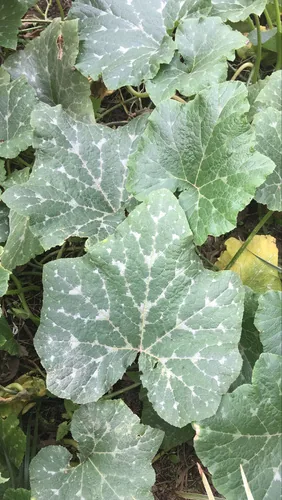
Calabaza is the tropical pumpkin mindset — usually Cucurbita moschata landraces with huge vines, hard rinds, and dense orange flesh that laughs at humidity better than most pepo squash. Central to Caribbean and Latin kitchens. subtropical and tropical Americas: long season; start early, watch fungal leaves in wet August, and cure fruits under cover before storage. Full sun. Steady moisture and fertile soil for fruit set; avoid overhead drama if powdery mildew is your annual villain — morning water at soil line helps. Direct-sow after frost or transplant carefully; moschata roots hate rough handling. One vine needs real estate — plan trellis or accept yard imperialism. If your HOA complains, soup them into submission. Calabaza: pick fruits young for vegetable use or fully ripe for seed and sweetness goals -- one plant rarely serves both fantasies. Cut stems morning; afternoon wilt reduces quality fast above 90°F (32°C). Check trellis daily during peak set; hidden fruits split after rain.
Permaculture Functions
- Edible: landraces produce dense orange flesh for long-cooked stews, soups, and pies after curing hard rinds -- that resist humidity better than many pepo squash.
- Ground Cover: vines sprawl wide across beds and paths -- shading soil with large leaves from germination until frost kills the canopy in one season.
- Wildlife Attractor: Bright Cucurbita moschata flowers supply nectar and pollen to bees by day -- while developing melons draw mammals unless fruits are trellised or picked early.
Companion Planting