About
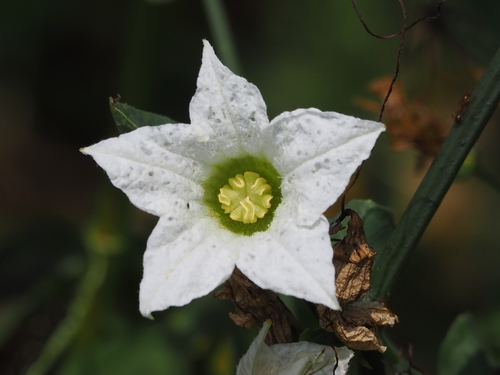
Ivy gourd is a heat-loving cucurbit vine with glossy leaves, night-blooming white flowers, and small fruits that go from crunchy green veg to soft red sweetness. In Florida it is a regulated invasive in many areas—birds and forgotten fruit spread it into tree canopies. Grow only with containment discipline; do not unleash it on neighbors or public greenways. ☀️💧 Sun and Water Requirements: - Full sun for heaviest fruiting; part shade slows production but vines still climb. - Well-drained, fertile soil; consistent moisture during vine run—less when cool. ✂️ Methods to Propagate: - Cuttings root readily in warm, humid weather—this is also why escapes succeed. - Seeds from ripe fruit; label lines if you are trialing varieties. 🌾 Harvest notes: - Pick young green fruit for curry-style use; allow red fruit for seed saving in controlled settings only.
Permaculture Functions
- Edible: Leaf, tendril, and fruit uses in South and Southeast Asian kitchens—cook unfamiliar parts cautiously.
- Ground Cover: Fast summer cover on trellis—not a replacement for native ground layers near wildlands.
- Wildlife Attractor: Flowers for night pollinators; fruit feeds birds—hence the invasion caution.
Practitioner Notes
- Young fruit cooks like cucumber; ripe red fruit sweetens for curries—harvest stage changes the recipe category.
- Vines run farther than summer squash—trellis with cattle panels or accept ground sprawl and slug galleries.
- Pickleworm holes mean immediate use or compost—larvae frass inside fruit does not improve pickle aesthetics.
- Borer entry at soil line—wrap stems or re-mound soil after planting; watch for sawdust at base.
Companion Planting
- Beans
- Corn
- Trellis companions only in managed beds
- Fences and trees adjacent to conservation land
- Ignoring local invasive-plant rules
Pest Pressure