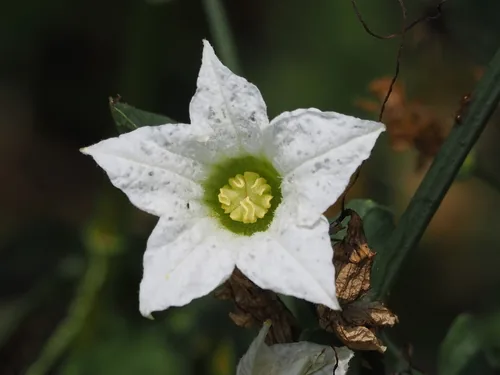
About
Coccinia grandis is the tropical cucurbit vine that climbs like it is paid by the vertical inch and fruits like a cherry tomato that went gourd. Florida reality: regulated invasive in much of the state — birds spread seeds, vines mantle trees, and land managers develop opinions about your life choices. Only grow with containment you can defend ethically and legally. Full sun for best fruit load. Fertile, well-drained soil with steady moisture during growth. Strong trellis or you will hate yourself. Cuttings root readily — which is also why escapes happen. Seeds from ripe fruit; label lines to reduce surprise genetics. Green fruit for crunchy cooking; red soft fruit for sweeter uses — harvest often or the vine sets seed and the ecosystem sends invoices.
Permaculture Functions
- Edible: Coccinia grandis bears crisp green gherkins for stir-fry and scarlet soft fruit for sweeter dishes -- harvest every few days or fruits split and seed the neighborhood.
- Ground Cover: Given a stout trellis, twining stems shade soil and outcompete warm-season weeds -- weak fencing lets vines mantle trees, which is how this species earns invasive citations.
- Wildlife Attractor: Birds relish red fruit and move seeds across fence lines -- check regional quarantine lists before planting; containment is ethics plus paperwork, not hope.
Companion Planting
- Letting fruit fall outside the fence
- Weak trellis near trees you value