About
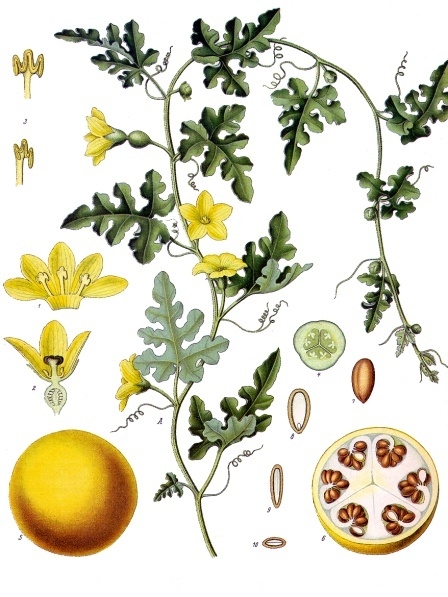
Apple gourd is Lagenaria siceraria selected for round, apple-sized to larger fruits—smooth when young, woody when cured. Eat immature like summer squash; dry mature shells for containers and crafts. Long warm season helps fruits size before frost; trellis small round types to avoid soil scarring and slug signatures. Sun and water: Full sun, fertile well-drained soil, even moisture during growth; reduce watering as shells cure. ✂️ Propagation: Direct-sow warm soil or transplant gently—roots sulk if mangled.
Permaculture Functions
- Edible: Tender young fruits.
- Ornamental: Rounds that stack like fake orchard props.
- Fiber: Cured shells for utensils and birdhouses.
Compact bottle gourd for kitchen and craft:
Practitioner Notes
- Young fruits scar if they rest on rough trellis wire—use slings or smooth crossbars for cosmetic shells.
- Curing hard shells needs warm dry air for weeks—rot sets in if fruits sit on damp soil during cure.
- Pollinate by hand on rainy weeks when bees stay home—morning transfers beat heat-wilted pollen.
Companion Planting
Good Neighbors
- Corn
- Beans
- Nasturtium
Cautions
- Planting in cold wet soil
- Letting vines sprawl into slug condominiums
Pest Pressure
Known Threats — Organic Solutions Only
Banded Cucumber Beetle
Diabrotica balteata
Broad Mite
Polyphagotarsonemus latus
Fusarium Wilt
Fusarium oxysporum
Greenhouse Whitefly
Trialeurodes vaporariorum
Leaf Spot
Multiple species (e.g., Cercospora, Septoria, Alternaria)
Melonworm
Diaphania hyalinata
Papaya Ringspot Virus
Papaya ringspot virus (PRSV; genus Potyvirus)
Pickleworm
Diaphania nitidalis
Pythium Root Rot
Pythium spp.
Reniform Nematode
Rotylenchulus reniformis
Shore Fly
Scatella stagnalis
Spotted Cucumber Beetle
Diabrotica undecimpunctata howardi
Squash Bug
Anasa tristis
Squash Vine Borer
Melittia cucurbitae
Striped Cucumber Beetle
Acalymma vittatum