About
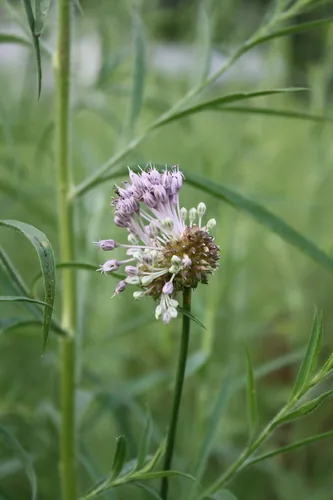
Ramps are the Appalachian spring onion that launched a thousand overharvest horror stories. Leaves and bulbs taste like garlic met a leek at a folk festival. They want rich, moist hardwood duff, cool winters, and ethical harvest — take leaves or thin patches, not whole populations for restaurant clout. subtropical and tropical Americas is south of prime range; only try if you can mimic cool, shady, limestone-y forest floor without delusion. Dappled shade to full shade under deciduous canopy; summer sun cooks them. Consistent soil moisture resembling a sponge, not a swamp. Cool soil: heavy mulch of leaves, avoid hot dry banks. Seeds: sow fresh; slow germination — shade beds, keep moist 1–2 years realistically. Bulb offsets: transplant small bulbs from thinned patches you legally own or grew. Ramps: dig tubers or roots after tops senesce or frost signals storage shift -- curing a few days at 50-60°F (10-16°C) sweetens some starches. Loosen soil wide first -- snapped necks invite rot in storage. Brush-dry before long storage; plastic totes without airflow grow penicillin cosplay.
Permaculture Functions
- Edible: Allium tricoccum two flat leaves and small bulbs deliver sweet-garlic punch to spring eggs and pesto when sliced thin -- ethical harvest means one leaf per plant or thinning owned patches, not stripping public woods for restaurant clout.
- Medicinal: Same sulfur compounds underpin Appalachian spring tonic folklore for blood-moving narratives -- medicinal strength still belongs with practitioners if you push beyond occasional culinary doses.
- Wildlife Attractor: White umbels feed native bees in shaded sugar-maple duff before canopy closes -- leave seed heads where colonies are fragile so populations rebuild instead of vanishing for brunch trends.
Companion Planting
Threats & Pressure