About
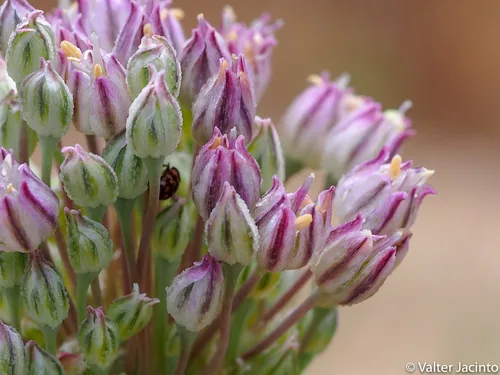
Perennial leek refers to perennial forms of Allium ampeloprasum, including the Babington-type clones valued in permaculture for returning year after year without replanting. Plants form clumps of strap-like blue-green leaves from a swelling base and may produce a tall round flower head of pink-purple florets if allowed to bolt; height is often 2–4 feet when flowering, shorter as a leafy clump. Full sun to partial shade; afternoon shade reduces stress during subtropical and tropical Americas heat waves. Consistent moisture but never waterlogged; rich, organic, well-drained soil mimics its preferred hedgerow niche and prevents bulb rot in humid wet seasons. Offsets: divide clumps in late cool season or early wet season when growth resumes; replant offsets immediately and water in. Bulbils: some perennial strains produce aerial bulbils on the flower stalk—collect when firm and sow or tuck into soil like miniature bulbs. Cut outer leaves continuously like a clumping leek; milder when young. For a thicker “stem,” blanch by hilling with mulch. In the subtropical/tropical year-round growing period, harvest lightly so the clump keeps regenerating.
Permaculture Functions
- Edible: Allium ampeloprasum perennial clones supply year-round green onion cuts and mild leek-flavored stems from expanding basal clumps -- dig side offsets when centers go woody; flower scapes are edible stir-fry snaps if you catch them young.
- Ground Cover: Blue-green strap leaves shade orchard mulch under apple and pear skirts, outcompeting annual weeds where mower access is lazy -- avoid planting inside juglone drip lines where onions still sulk.
- Pest Management: Allyl-sulfide emissions mask carrot-rust fly and some cabbage-moth cues when bands edge vulnerable rows -- rotate placement because allium root flies still find monoculture traps if you never move clumps.
- Pollinator: Tall pink-purple globes feed bumble queens and honeybees in early summer dearth -- leave a few flowering stalks if seedless lines still set bulbils you want to share, otherwise snap scapes for bigger basal swell.
Companion Planting
- Green Bean
- Pea
Threats & Pressure