About
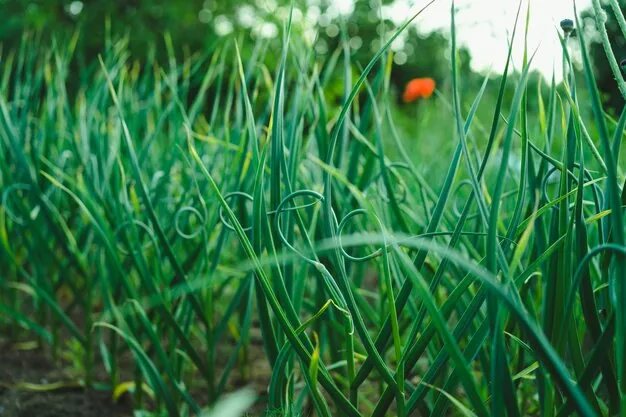
Tulbaghia violacea, known as Society Garlic, is a clump-forming perennial native to southern Africa. It reaches up to 0.5 meters (1.5 feet) in height and features narrow, strap-like, gray-green leaves that emit a garlic-like scent when bruised. From early summer to fall, it produces sweetly fragrant, lilac-pink tubular flowers arranged in umbels. The plant is both heat and drought-tolerant, making it suitable for various garden settings. Thrives in full sun but can tolerate partial shade. Prefers well-drained soil and, once established, exhibits good drought tolerance. Regular watering during the growing season promotes optimal growth and flowering. Propagation is commonly done through division of clumps during spring or autumn. Seeds can also be sown but may require smoke treatment to enhance germination rates. Leaves and flowers can be harvested as needed throughout the growing season for culinary or medicinal uses.
Permaculture Functions
- Edible: Tulbaghia violacea strappy leaves and lilac umbels taste milder than true garlic -- chop into cream cheese, butter, or potato salad where you want allium perfume without Allium sativum heat or repeat peeling.
- Medicinal: Zulu and South African kitchens use leaf tea for cough and sinus pressure -- sulfur compounds can upset empty stomachs; separate occasional soup flavor from daily medicinal cup counts the same way you would with onion-skin tea.
- Pest Management: Bruised leaf sulfur volatiles mask host cues for rose aphids in tight patio trials -- rain washes the plume in hours, so crush a border handful after storms if greenfly clusters return on buds.
- Ground Cover: Clumping mats eighteen inches (45 cm) tall fill dry berms where liriope would want more irrigation -- divide every three years before humid-clay centers go hollow and flowering weakens.
Field Observations
- No field observations yet
Companion Planting