About
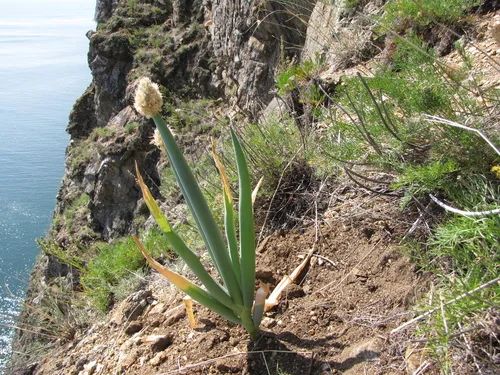
Onion (*Allium cepa*) is a biennial plant typically grown as an annual for its edible bulb. It produces narrow, hollow green leaves that grow from the base and can reach heights of 30–45 cm (12–18 inches). The plant forms a rounded bulb beneath the soil composed of fleshy, layered scales. Onions produce white or purple flowers arranged in umbels that rise from a hollow stalk in their second year. The strong aroma and flavor of onions are due to sulfur compounds present in the bulbs. Onions thrive in full sun, needing at least 6–8 hours of direct sunlight daily. They prefer well-drained soil with moderate moisture levels. Overwatering can cause bulb rot, so soil should be allowed to dry between waterings. Onions are propagated through: Seeds: Sown directly in the garden or started indoors 6–8 weeks before the last frost. Sets: Small immature bulbs can be planted directly into the soil. Transplants: Seedlings started indoors can be transplanted once the soil is workable. Onions are ready to harvest when the tops begin to fall over and dry out. Carefully lift the bulbs from the soil and cure them in a dry, well-ventilated location for 2–3 weeks before storage.
Permaculture Functions
- Edible: Allium cepa bulbs store fructans as layered scales for raw slicing, caramelizing, pickling, and stock bases -- cure necks fully before braiding long-keepers; short-day varieties bulb in southern winters while long-day types demand high-latitude photoperiods.
- Medicinal: Organosulfur volatiles from crushed bulbs underpin traditional poultices and syrups for winter congestion support -- kitchen doses behave like food; medicinal concentrates belong with practitioners aware of antithrombotic nuance.
- Pest Management: Allyl propyl disulfide emissions mask carrot-host cues when tight bands edge Apiaceae rows -- realistic expectation is confusion reduction, not aphid extinction, so scout brassica neighbors separately.
Field Observations
- No field observations yet
Companion Planting
- Pea
- Bean
- Asparagus
Threats & Pressure