About
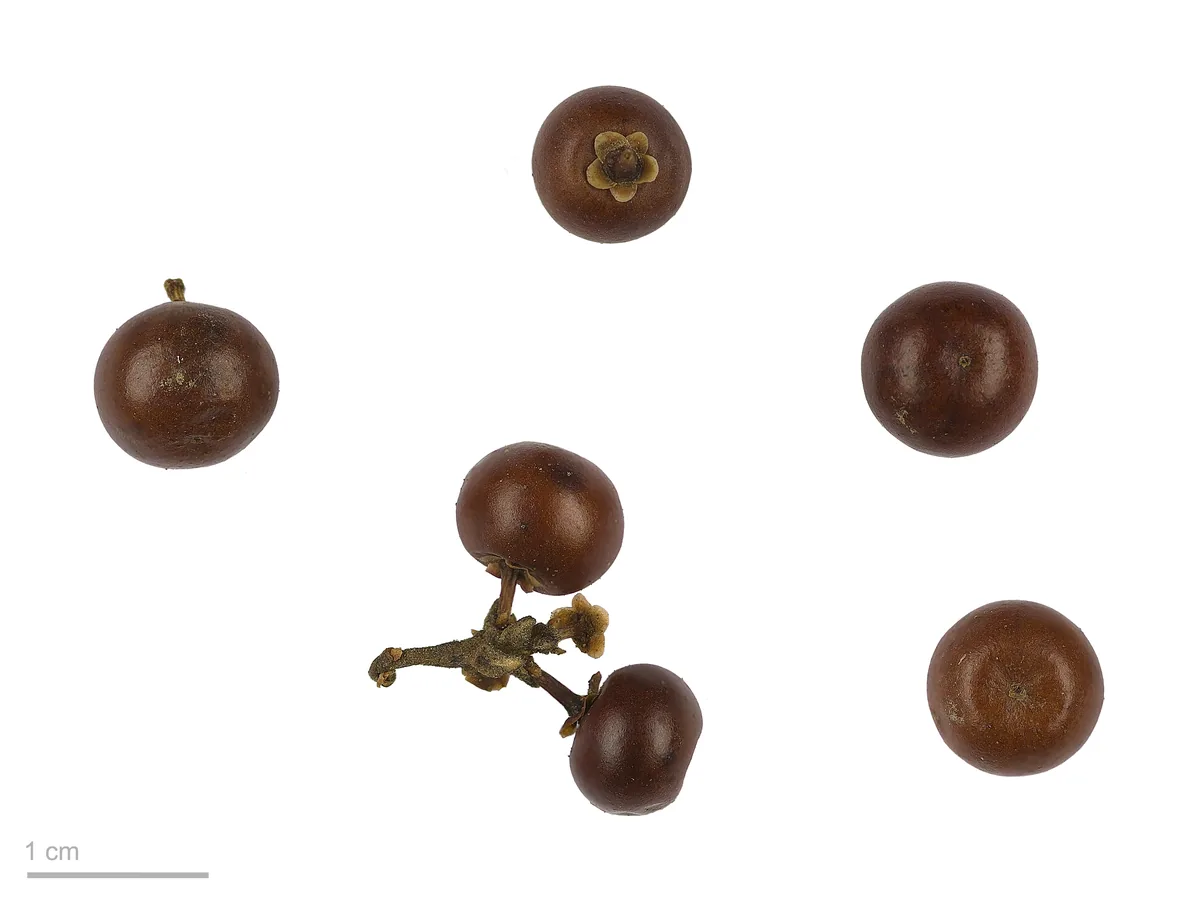
Bearberry (Arctostaphylos uva-ursi) is a prostrate evergreen ericaceous subshrub of northern and montane regions, rooting where stems touch soil and forming mats of small, leathery leaves. Pink urn-shaped flowers yield red mealy berries beloved by bears and birds; height is typically under roughly 12 inches in spread forms. subtropical and tropical Americas are mostly outside its happy thermal envelope—Panhandle pockets and cool high-elevation Puerto Rican sites are the only semi-plausible in-ground conversation; lowland tropical heat invites slow death unless you treat it as a refrigerated bonsai joke. Lead with acidity, drainage, and airflow if you insist. Full sun to light shade in cool climates; in marginal warm trials, morning sun only. Acidic, gritty, perfectly drained soil; bearberry despises summer wet feet in heat—think alpine ethics, not swale life. Softwood cuttings with bottom heat in late spring—slow but true for clones. Layering stems pinned to grit in autumn—lets the plant do the patience work. Berries ripen late summer to fall in native ranges; flavor is mealy-tart—jams and experiments, not candy. Leave a share for wildlife wherever the plant actually fruits—ego versus ecology.
Permaculture Functions
- Edible: Arctostaphylos uva-ursi mealy red berries enter Indigenous pemmican and mild jams where sweetness balances tannin -- yields stay wildlife-first honest on most patio mats.
- Wildlife Attractor: Pink urn flowers feed specialist bumblebees while berries feed grouse and bears in boreal understories -- urban lots may see robins only, and that is still valid traffic.
- Ground Cover: Prostrate evergreen leaves exclude weeds on lean sunny banks above 600 m elevation mindsets -- summer wet feet in heat kills faster than winter cold if drainage lies.
- Erosion Control: Fine mat roots thread gravelly cuts where turf slides -- pair with ericaceous mulch, not limestone topdress, or chlorosis arrives before erosion fixes matter.
- Ornamental: Red winter stems and bronzy evergreen leaves sell northern rock garden drama -- lowland tropical humidity without airflow still invites black spot cosplay.
Companion Planting
Threats & Pressure