About
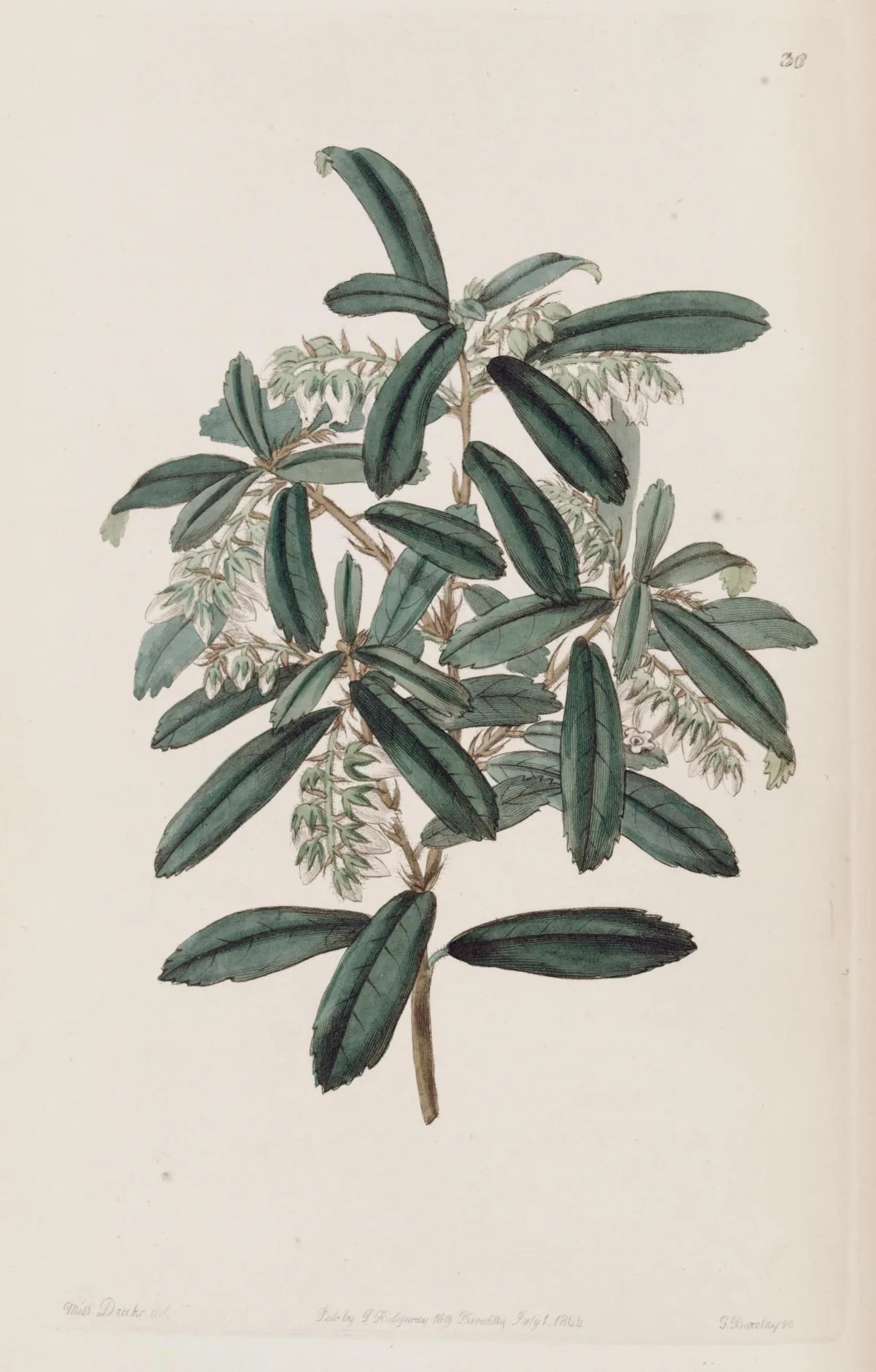
Fetterbush (Lyonia lucida) is an evergreen ericaceous shrub of wet pine savannas, pocosin edges, and acid bogs around the Gulf and Atlantic coastal plains, with glossy leaves, arching stems, and urn-shaped flowers that announce membership in the blueberry tribe. It handles periodic wet feet better than many ornamental acid-loving shrubs sold in big-box pots, and it feeds specialist bees adapted to bell-shaped corollas. Use it in rain gardens, pond margins, and native screens where drainage is inconsistent but chemistry stays sour. Full sun to partial shade; best flowering with strong light if roots stay moist. Tolerates acidic, peaty, or sandy wet soils; not for alkaline fill or dry roof runoff deserts. Avoid prolonged drought without irrigation—evergreen leaves desiccate. Cold tolerance suits warm-temperate to subtropical zones; hard freezes damage tips on marginally hardy sites. Semi-hardwood cuttings under humidity root with bottom heat in warm months. Seeds are tiny and slow; use for restoration batches, not instant hedges. Landscape value peaks during bloom; prune lightly after flowering to shape. Do not strip wild populations—source nursery-grown liners for new projects.
Permaculture Functions
- Wildlife Attractor: Lyonia lucida white-to-pink urn clusters fit Andrena mouthparts on wet pine savanna toes where blueberries already prove acid chemistry -- while dense twigs shelter small birds beside pond shelves.
- Border Plant: Evergreen glossy arches six to ten feet tall mark property lines on pocosin edges -- where soil stays sour and intermittently wet without importing Buxus on the same drainage class.
- Ornamental: Lacquered leaves and clustered bells read high-end in rain gardens -- that lean native instead of thirsty exotic foundation shrubs across zone 7-10 Gulf and Atlantic coastal plain sites.
- Erosion Control: Peaty fibrous roots lock organic banks along swales and pond shelves -- where sheet flow would undercut mulch after summer squalls if bare soil stayed exposed downhill.
Companion Planting
- All parts contain grayanotoxins like other Ericaceae—do not present as edible to children or livestock