About
Rhododendrons are a diverse genus of woody plants ranging from low-growing ground covers to tall trees. They are known for their large clusters of brightly colored flowers, which bloom from late winter through early summer, depending on the species. The leaves are typically evergreen, varying in size and shape, and may have a leathery texture. Rhododendrons prefer acidic, well-drained soils rich in organic matter and thrive in partial shade environments. Their extensive root systems make them effective for erosion control on slopes and hillsides. Rhododendrons thrive in partial shade, receiving filtered sunlight or morning sun with afternoon shade. They require consistent moisture, preferring well-drained, acidic soils rich in organic matter. Mulching helps retain soil moisture and regulate soil temperature. Propagation is typically done through stem cuttings, layering, or seed. Stem cuttings are taken in late summer, while layering can be done in early spring. Seed propagation is less common due to variability in offspring. As ornamental plants, rhododendrons are not harvested. Pruning is done after flowering to maintain shape and remove spent blooms.
Permaculture Functions
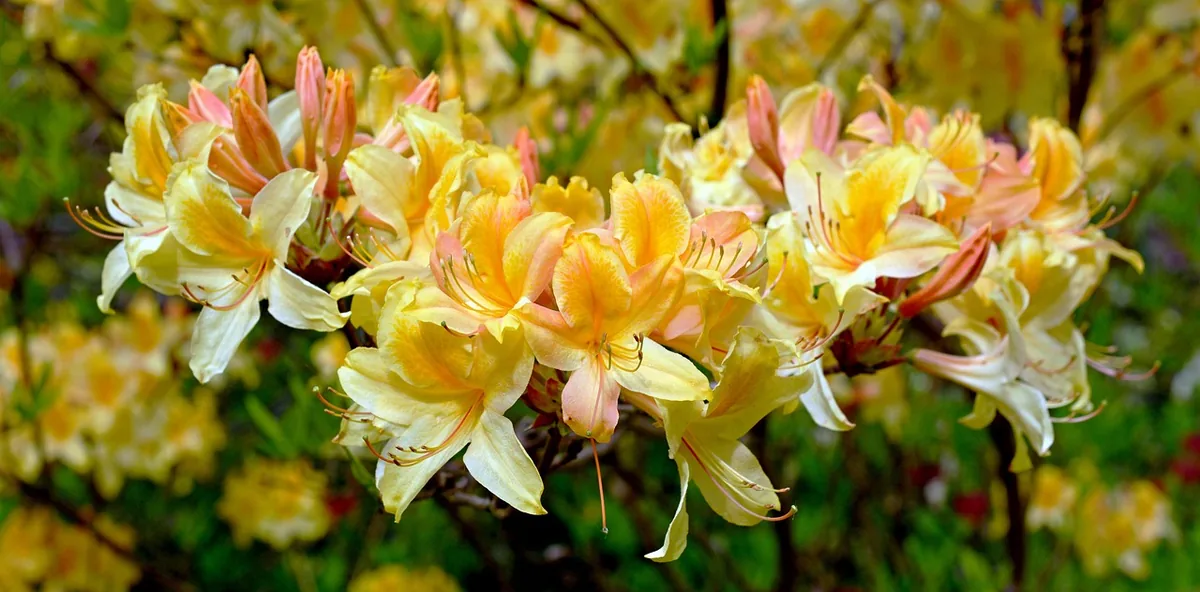
- Ornamental: Rhododendron trusses of pink-to-purple trumpets hang over leathery evergreen leaves on acid woodland berms -- Kurume-type dwarfs suit containers while native R. calendulaceum flames Appalachian ridges in May.
- Pollinator: Sticky stigma and copious nectar reward bumblebee buzz-pollination on large-flowered hybrids -- single forms feed insects; double “roseum” types often offer theater without pollen paychecks.
- Wildlife Attractor: Dense twigging shelters winter wrens and towhees from hawks; toxic leaves deter mammal browse so nests stay less molested than on soft-deciduous shrubs -- still plan spacing for airflow against lace bugs.
- Erosion Control: Fibrous shallow roots knit mulch on shaded cuts where turf would slide -- pair with rotted oak leaf mold, not alkaline topsoil, or chlorosis paints the whole slope yellow by August.
Companion Planting
Also mentioned as companions:
- Fern
- Hosta
- Dogwood
- Camellia
Not yet profiled in PermiePortal
Threats & Pressure