About
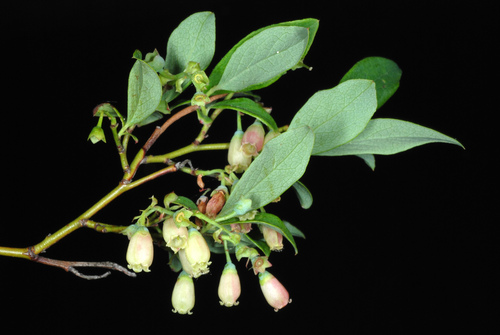
Blue Ridge blueberry is a marketing name applied to northern highbush selections (Vaccinium corymbosum) chosen for large sweet berries in cool, humid temperate climates with reliable winter chill. Upright shrubs typically reach 4–7 feet (1.2–2.1 m), with oval deciduous leaves, white bell flowers in spring, and blue clusters ripening from late spring through summer depending on heat units. They anchor acidic edible hedgerows, patio plantings in large containers, and diversified farms from upper subtropical transition zones northward where summers stay moderate. ☀️💧 Sun and Water Requirements: Full sun for maximum sugar and yield; light afternoon shade helps in hot-summer margins. Requires acidic pH roughly 4.5–5.5, abundant organic matter, and consistent moisture—drip irrigation stabilizes fruit size through dry spells. Mulch with pine needles or wood chips; avoid lime. ✂️ Propagation: Softwood cuttings in early summer under mist root reliably for clonal cultivars. Layer low branches in moist mulch. Seedlings vary—buy named cultivars for predictable flavor and chill requirements. 🌾 Harvest / Best Use Timing: Pick when berries turn fully blue and detach with a slight twist—repeat every couple of days at peak. Refrigerate dry fruit promptly; freeze or dry extras within days. Prune out old canes after year five or six to renew vigor.
Permaculture Functions
- Edible: Sweet fresh fruit and high-value preserves for home and market tables.
- Wildlife Attractor: Berries feed birds; flowers support native bees and other pollinators.
- Pollinator: Massed bloom offers concentrated forage in cool spring weather.
- Ornamental: Red fall color on many cultivars extends garden interest beyond harvest.
Practitioner Notes
- Two unrelated cultivars improve cross-pollination and often bump berry size—solitude is overrated here.
- pH tests beat guessing—yellow leaves with green veins usually scream iron lockout, not mystery disease.
- After harvest, water stress shows up as small buds next spring; post-harvest irrigation is cheap insurance.
- Old canes look productive until they are not—mark renewal cuts with paint so winter pruning is honest.
Companion Planting
- Rhododendron — shared acidic soil regime and complementary spring flower timing
- Lingonberry — low evergreen layer under blueberry skirts without root competition depth
- Eastern Hemlock — light evergreen canopy for dappled afternoon shade in warm margins
- Insufficient chill hours — poor flowering in warm-winter pockets; match cultivar to site metrics
- Bird pressure — net or accept shared harvest; reflective tape is theater, not strategy
Pest Pressure