About
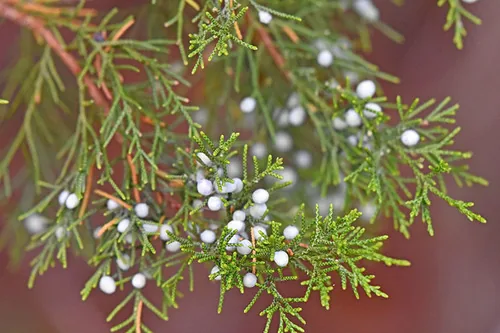
Southern red cedar (Juniperus virginiana) is an evergreen conifer ranging across eastern and central North America, forming dense columns in old fields, limestone barrens, and fencerows. Berry-like cones feed birds; aromatic wood resists rot in posts. Coastal and southern ecotypes are often called southern red cedar in trade, but the species handles a huge climate band if drainage matches. Full sun; shade causes thin, sad specimens. Drought tolerant once established; intolerant of prolonged root drowning. Well-drained soils; thrives on alkaline limestone and sandy ridges alike. Seeds: cold stratify; germination can be slow and irregular. Transplant small seedlings with intact taproots where possible. Shear hedges lightly; heavy cuts into old wood may not regrow on all individuals. Collect “berries” when blue and waxy for propagation trials; clean pulp first. Post wood is legendary—harvest sustainably, not from parks you do not own. Prune for firewise spacing in wildland-urban interfaces per local guidance.
Permaculture Functions
- Wildlife Attractor: Juniperus virginiana glaucous berry-cones fuel cedar waxwings and robins -- while columnar crowns hide cardinal nests in old-field succession.
- Windbreaker: Dense aromatic wood slows winter wind across Piedmont pasture lanes -- without casting summer shade as deep as broadleaf windbreaks.
- Border Plant: Shearable hedgerows mark limestone fencerows where thornless barriers keep cattle honest -- along highway rights-of-way.
- Animal Fodder: Goats browse green tips during drought when grasses brown -- monitor copper balance because cedar-heavy diets skew mineral intake.
Companion Planting
- Apple — shared cedar-apple rust life cycle can blemish nearby rosaceous fruit foliage
Threats & Pressure