About
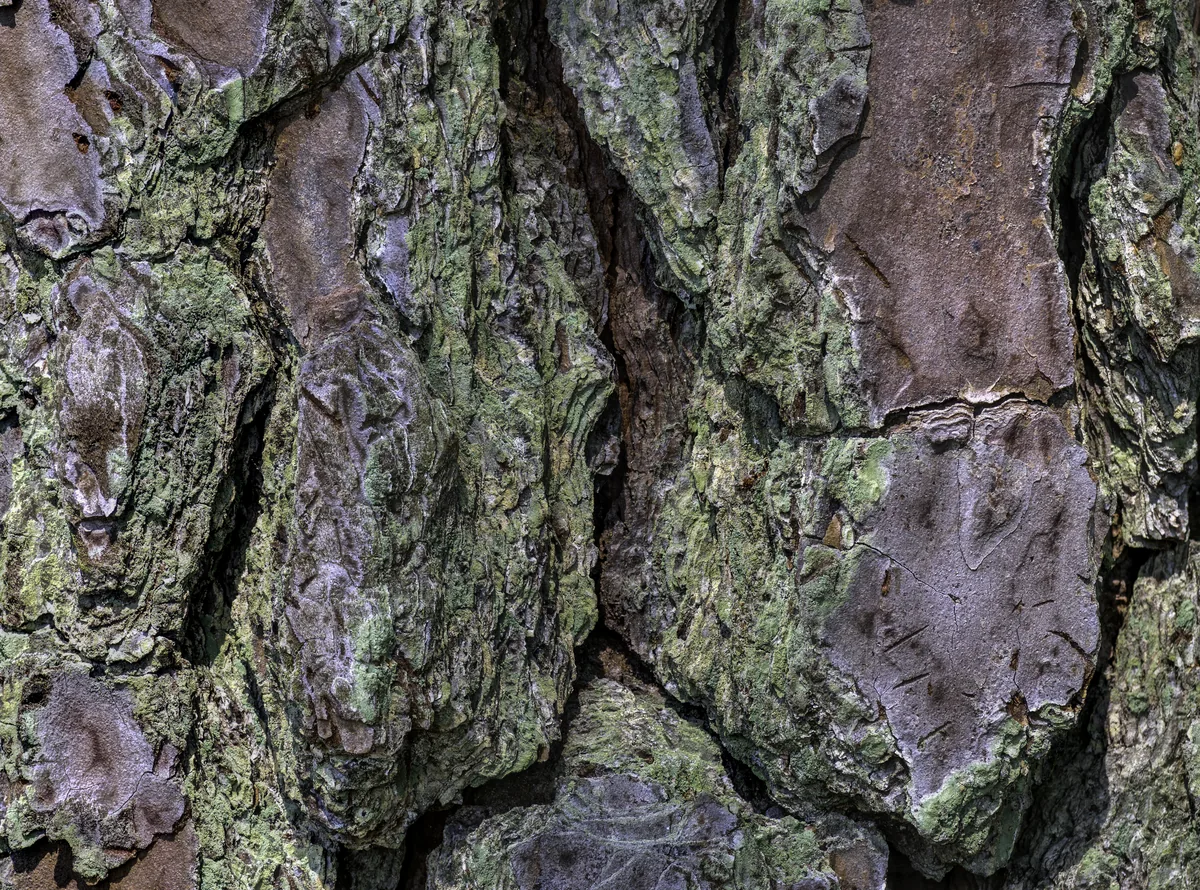
Longleaf pine (Pinus palustris) is a southeastern United States pine of sandy savannas and flatwoods, famous for long needles in bundles of three, a grass stage seedling era, and dependence on fire-maintained openness. Mature trees reach 80–100 feet (24–30 m) with open crowns in savanna contexts. It is a keystone for biodiversity when prescribed fire returns on ecologically meaningful intervals—not when fear owns the deed. Full sun; shade during grass stage comes from frequent fire, not shade trees. Deep, acidic, well-drained sands typical of coastal plains; tolerates seasonal moisture swings. Compaction and lawn culture under mature pines kill the ground layer you supposedly planted for wildlife. Plant container or bareroot seedlings from local genotypes for restoration fidelity. Protect grass-stage juveniles from browse with cages. Thin competing hardwoods where savanna restoration is the actual goal. Timber rotations are long—enter with eyes open. Collect cones for seed when scales open; handle with ethics and permits on public lands. Needle mulch benefits acid-loving companions if harvested without stripping green crowns.
Permaculture Functions
- Wildlife Attractor: Pinus palustris savanna lets wiregrass, legumes, and tortoise forbs persist under open crowns -- prescribed fire maintains the ground layer that collapses when shade closes the canopy.
- Windbreaker: Tall straight trunks filter wind across pasture edges -- spacing matters because grass-stage seedlings need sunlight, not rank hardwood competition.
- Mulcher: Long needles rake into high-carbon pine straw prized for blueberry and azalea mulch -- harvest straw without stripping green crowns or you starve the tree you are monetizing.
- Biomass: Clear, straight boles yield pole-quality timber and resin chemistry -- rotations run decades, so enter only if your land plan measures success in generations, not quarterly yields.
Companion Planting
- Fire exclusion — savanna becomes dense woods and groundlayer biodiversity collapses
- Wrong site clay — poor growth and root disease; match genotype to soil drainage
Threats & Pressure