About
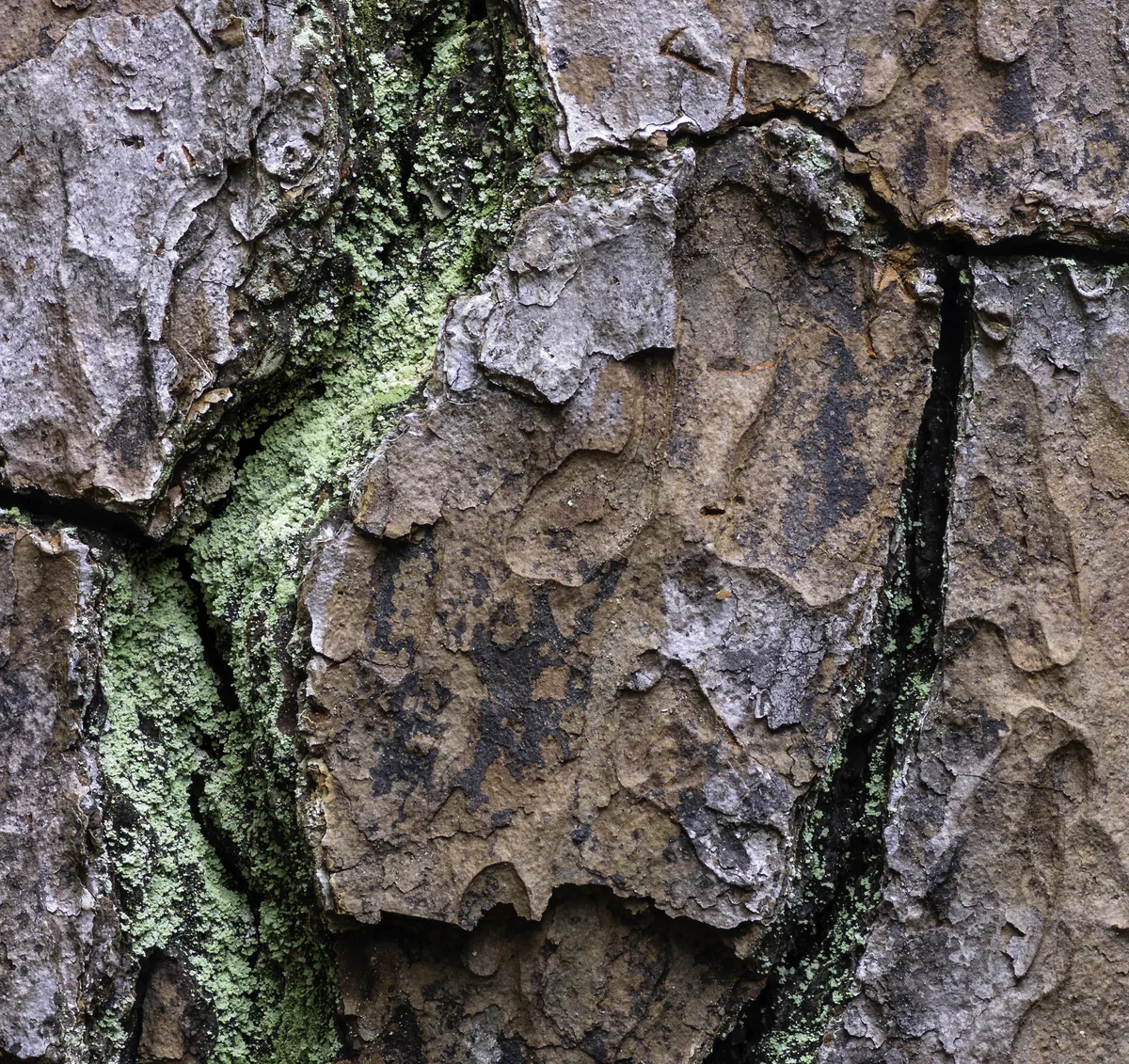
Loblolly pine (Pinus taeda) is a fast-growing southern yellow pine of humid temperate to subtropical lowlands and uplands in the southeastern United States, forming tall straight trunks with long needles in bundles of three and large cones. Heights of 60–100 feet (18–30 m) are common in open stands. It is a timber and windbreak staple, a mulch factory, and a reminder that pine savanna ecology wants fire literacy, not leaf-blower supremacy. Full sun; shade weakens form and timber potential. Adaptable acidic soils from sand to clay if drainage is not permanently stagnant; tolerates moist sites better than many pines. Young trees need weed control; mature trees cast dense shade and acidify litter. Sow fresh seed; nursery bareroot seedlings are standard for plantations. Prune for clear trunk length if timber is the goal; leave lower branches if wildlife ladders matter more. Thin dense stands on schedules that match landowner objectives. Timber harvest is decades-scale—plan before planting. For homesteads, collect needles for mulch and acid mulch beds ethically without stripping living crowns. Pine straw harvest is a business—do not cosplay it on wild public land.
Permaculture Functions
- Windbreaker: Pinus taeda forms even-aged stands that strip momentum from trade winds across poultry houses and vegetable rows -- leave permeable strips if you need pollinator movement between fields.
- Wildlife Attractor: Pine seeds feed nuthatches and woodpeckers while mature trunks develop cavities -- retain some snags in managed blocks so wildlife structure survives between timber rotations.
- Mulcher: Needles in bundles of three drop acidic litter that suppresses understory weeds -- mulch blueberries and gallberry where low pH is already the goal.
- Biomass: Straight boles yield southern yellow pine lumber and pulp -- on-farm use includes pole barns and biochar trials when markets dip.
Companion Planting
- Ice storms — brittle young branches in some ice events; site and thin for resilience
- Dense shade — excludes sun-loving crops under mature stands without planning
Threats & Pressure