About
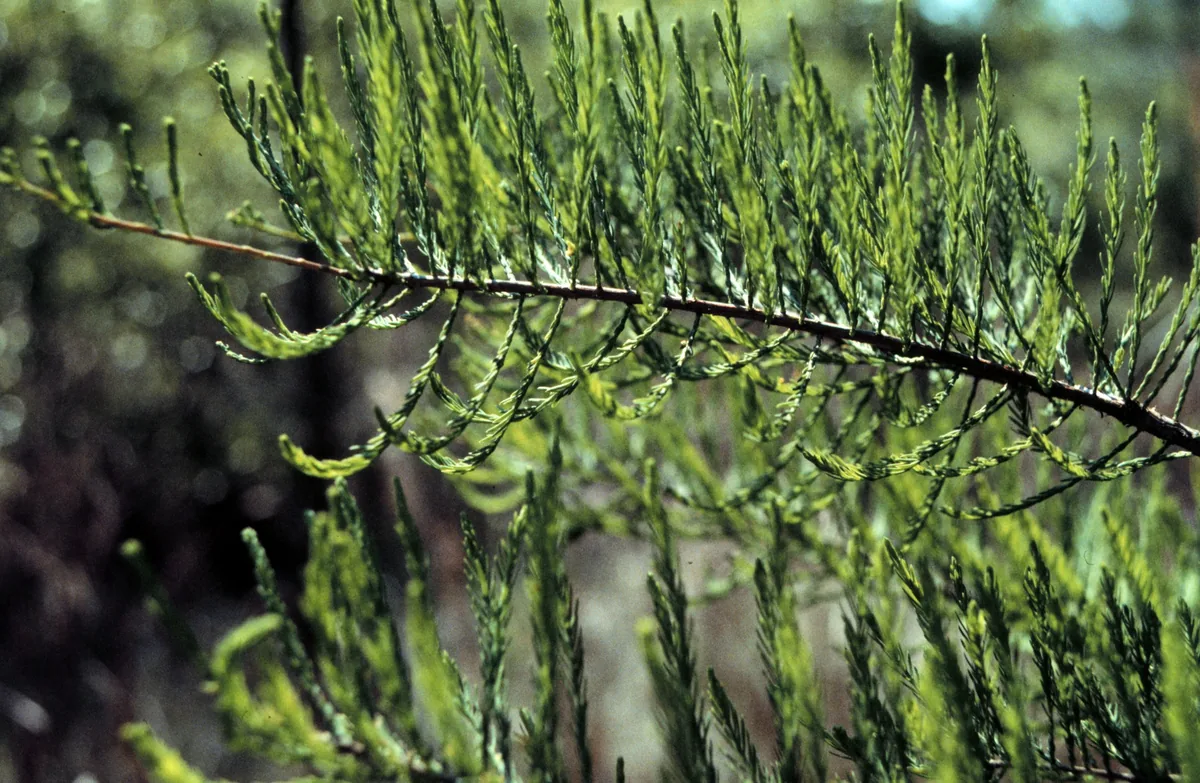
Pond cypress (Taxodium distichum var. imbricarium) is a deciduous conifer of southeastern North American swamps, domed cypress ponds, and seasonally flooded savannas. Narrower crowns and more upright habit than typical bald cypress ecotypes suit smaller sites, yet it still pushes knees in wet anaerobic soils. It is a cornerstone species for stormwater wetlands, agroforestry buffers, and carbon-storing edges where oaks drown. Full sun for straight trunks; partial sun works but slows closure. Moisture-loving; tolerates standing water for parts of the year; young trees still need steady soil moisture to establish. Acidic, silty to sandy soils; tolerates clay if not permanently stagnant and anoxic at the root collar. Seeds: collect cones in autumn, stratify, sow in flooded trays or moist sand. Bare-root seedlings from wetland nurseries transplant in dormancy. Avoid heavy formative pruning; remove only deadwood and competing leaders early. Timber rotations are decades—home growers plant for habitat, shade, and water cleaning, not weekend lumber. For seed, harvest cones when scales loosen; float-test empties. Mulch young trunks to exclude mower strikes until bark thickens.
Permaculture Functions
- Wildlife Attractor: Taxodium distichum var. imbricarium cavities house barred owls and wood ducks; fibrous bark feeds carpenter ants that woodpeckers follow -- knees create microhabitat for crayfish and frog egg attachment in shallow water.
- Erosion Control: Wide buttressed bases and knee roots knit stormwater pond liners against wave shear from outfall pipes -- survives months of inundation that kills upland oaks on the same grade if soil stays acidic.
- Water Retention: Seasonal drawdown design pairs with pond cypress to slow peak flows and drop sediment before water exits culverts -- litter fall builds anaerobic muck that holds moisture through dry weeks.
- Shade Provider: Feathery summer canopy cools standing water and emergent macrophyte mats, reducing algal bloom pressure -- winter needle drop returns light for submersed aquatics until spring flush greens again.
Companion Planting
Threats & Pressure