About
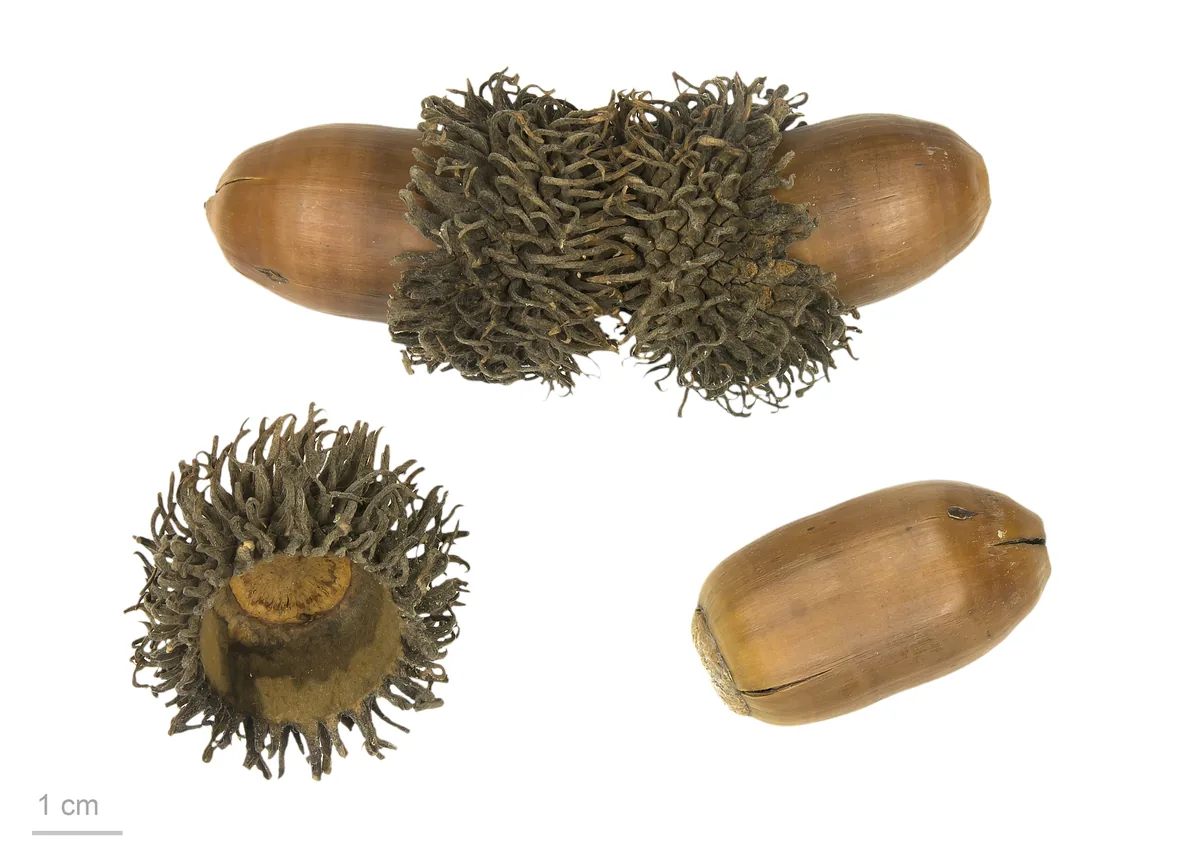
Turkey oak (Quercus laevis) is a small to medium deciduous oak of deep sandy ridges, scrub, and open pine woodlands across the southeastern United States. Twisted branches, deeply lobed leaves reminiscent of turkey tracks, and harsh dry sites define its attitude. Acorns feed wildlife where taller oaks struggle on droughty sand; the species anchors fire-adapted ecosystems and low-input silvopasture edges. Full sun for strong structure and acorn production; tolerates open canopy pine shade as a seedling. Extremely drought-tolerant on deep sands once taproots descend; hates prolonged wet feet and heavy clay unless bermed sharply. Heat-tolerant—classic humid subtropical sandhill specialist. Sow acorns immediately after fall collection; discard floaters. Protect seedlings from rodents with wire guards. Transplant small trees while roots are still manageable; older scrub oaks resent bare-root moves. Acorns require leaching if used as human food; wildlife priority is simpler. Prune for clearance in dormant season; avoid lion-tailing that weakens scrubby crowns. Gather leaf litter for mulch under acid-loving companions.
Permaculture Functions
- Wildlife Attractor: Small bitter acorns still fuel scrub jays, wild turkeys, and deer where Quercus laevis dominates sandhills -- leaves feed a long list of specialist moth larvae if you tolerate chewed foliage.
- Erosion Control: Deep taproots and wide laterals lock droughty deep sand against summer gully wash -- classic longleaf-pine understory oak on ridges that shrug at irrigation.
- Mulcher: Thick, deeply lobed "turkey track" leaves build acidic, slow mats -- perfect for blueberry guilds that want fungal litter, not fast green compost.
- Shade Provider: Open, gnarled canopy throws dappled shade for sparkleberry and little bluestem ground layers -- not a lawn tree unless you enjoy ankle-high sand and acorns.
Companion Planting
- Black Walnut — not a typical associate; juglone and soil texture mismatch on sand vs walnut riparian habits
- Oak wilt risk regions — follow local pruning timing rules; minimize wounds during vector-active seasons
Threats & Pressure