About
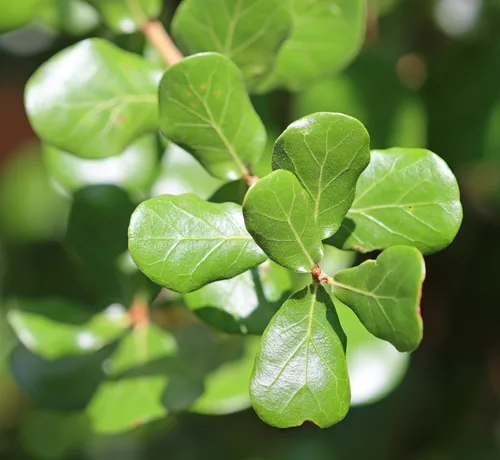
Myrtle oak (Quercus myrtifolia) is an evergreen shrub to small tree of sandy scrub, coastal strands, and dry pinelands in the southeastern United States. Small, glossy, myrtle-like leaves hug stiff twigs; acorns feed wildlife where turf fantasies usually fail. It excels in lean, sunny food forests as a low wind-skim and edge feather between open ground and taller canopy. Full sun; dense compact growth needs bright light. Drought tolerant when established; hates prolonged root drowning. Sandy, well-drained acidic soils match its natural scrub ecology. Acorns sown fresh in autumn in deep tubes; protect from rodents. Seedlings transplant best when small; root prune if pot-bound. Air-layering possible on flexible branches but seldom necessary for landscape stock. Acorns mature in autumn; collect soon after drop before weevils hollow them. For habitat, leave the bulk on the ground for jays, squirrels, and insects. Light tip pruning in warm seasons shapes hedges without heavy lopping that invites dieback.
Permaculture Functions
- Wildlife Attractor: Small annual Quercus myrtifolia acorns feed scrub jays, wood rats, and deer while evergreen thickets shelter quail and songbirds across fire-return sandhill systems -- leave bulk mast on sand for ground-foraging guilds.
- Windbreaker: Knee-to-head-height evergreen canopy shreds salt-laden sea breezes and upland gusts along coastal strands and ridge lines without casting deep permanent shade like tall live oaks -- tight twigging filters wind instead of flexing like sailcloth.
- Border Plant: Clipped or natural low mounding hedge defines scrub-yard edges, tortoise habitat buffers, and parking islands on irrigation-free sand -- small myrtle-like leaves keep formal lines legible even in drought years.
Companion Planting
Threats & Pressure