About
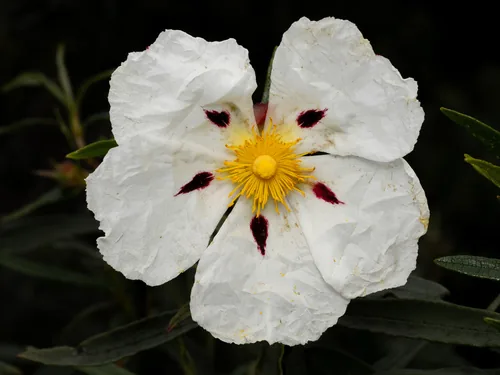
Cistus, the rockroses, are evergreen to semi-evergreen Mediterranean shrubs famous for crinkled, resin-scented leaves and short-lived papery flowers in white, pink, or magenta. Mature size is typically 0.6–2 m tall and somewhat wider, forming loose mounds that laugh at drought. In subtropical and tropical Americas they are best treated as sun-baked, fast-draining specimens—humid, wet feet during tropical wet seasons can trigger root issues, so site them like coastal scrub: airy, lean, and never boggy. Full sun and excellent drainage are non-negotiable. Once established, water sparingly; in rainy climates plant on berms or in containers with mineral grit. Avoid heavy organic mulches pressed against crowns. Seeds: Sow in well-drained mix; germination can be erratic—surface sow and keep warm. Cuttings: Semi-hardwood cuttings in late warm season root quickly with bottom heat; take material before plants harden off for winter cool snaps in marginal zones. Prune lightly after main flowering waves to shape; avoid heavy renovation cuts on old wood. Enjoy resinous foliage year-round for aromatic hedges; flowers peak in warm dry stretches.
Permaculture Functions
- Ornamental: Crinkled gray leaves and papery white-to-magenta blooms give Mediterranean dry gardens instant texture -- that reads honest in lean soil.
- Wildlife Attractor: Short-lived wide-open flowers load pollen for solitary bees and oil-collecting bees -- along hot, windy edges.
- Erosion Control: Fine roots knit decomposed granite banks, coastal berms, and road cuts -- where organic mulch would slide off in the first storm.
- Border Plant: Low mounding cistus lines paths -- taller selections screen utilities and trash cans without demanding hedge shears.