About
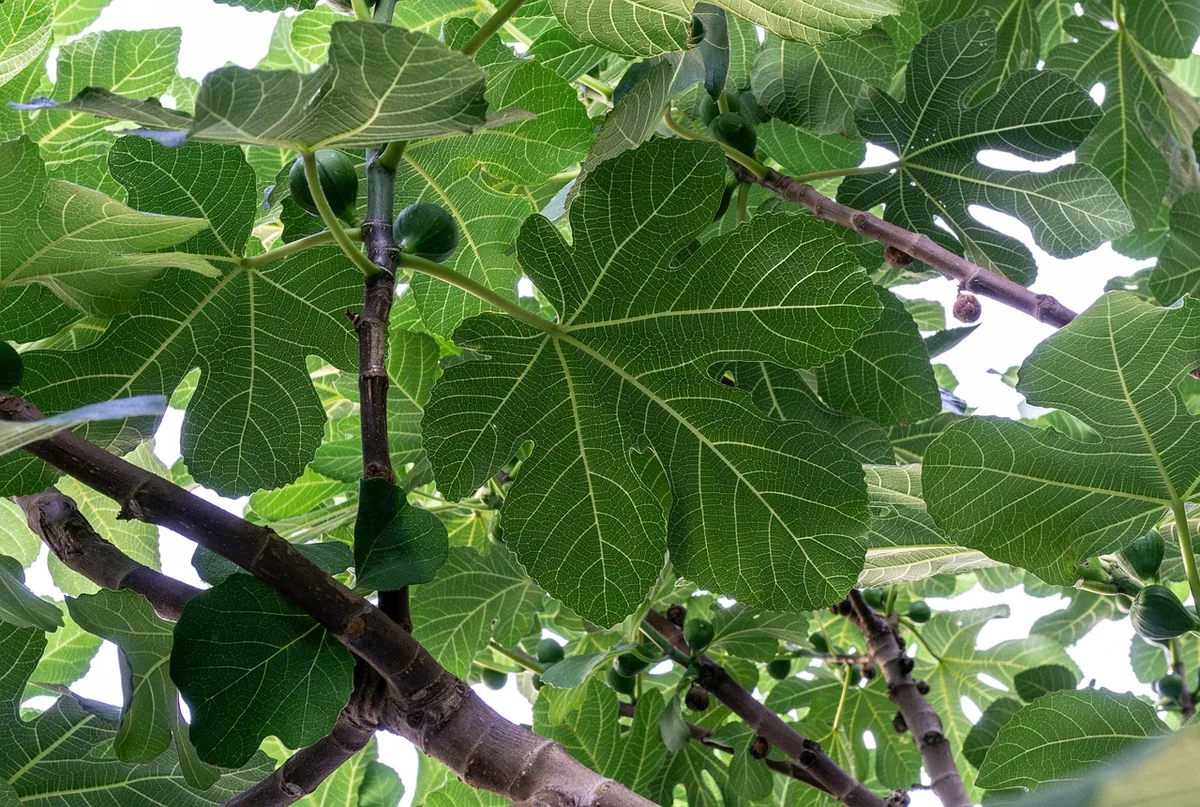
Fig (Ficus carica) is a deciduous tree or large shrub that grows between 3–10 meters (10–33 feet) tall. It has broad, lobed leaves and produces sweet, soft, fleshy fruit that varies in color from green to purple when ripe. Fig trees are well-adapted to Mediterranean and subtropical climates but can survive in cooler regions if protected from frost. They are drought-tolerant once established and can grow in a wide range of soil conditions. The tree's deep roots help stabilize soil, making it useful for erosion control. 🌞💧 Sun and Water Requirements: Prefers full sun with at least 6–8 hours of sunlight per day. Grows best in well-drained, loamy, or sandy soil. Drought-tolerant but benefits from occasional deep watering, especially in hot climates. 🫘 Methods to Propagate: Cuttings: Hardwood cuttings in winter or softwood cuttings in early summer. Layering: Air layering works well for propagation. Seeds: Can be grown from seeds but often results in variable fruit quality. 🧑🌾👩🌾 When to Harvest: Fruit is ready when soft, slightly drooping, and changes color (typically summer to early fall). Harvest figs gently to avoid bruising. Best eaten fresh, dried, or processed into jams and preserves.
Permaculture Functions
- Edible: Main-crop figs soften at the eye -- and weep nectar when ready; split fruit goes straight to dehydrators or solar dryers while firm breba types on some cultivars ripen weeks earlier on last year's wood.
- Medicinal: Latex-rich sap and syrupy fruit are traditional for soothing minor throat irritation and constipation in Mediterranean herbalism -- skin contact with fresh milky sap can photodermatitis; wear gloves when pruning green wood.
- Wildlife Attractor: Overripe fruit feeds wasps, fruit flies, -- and songbirds; hollows in old trunks shelter cavity-nesting bees where limbs rot back slowly in dry climates.
- Dynamic Accumulator: Aggressive roots mine potassium -- and calcium from subsoil and move it into leaf fall that mulches its own drip line if you leave prunings on the ground.
- Erosion Control: Wide-spreading surface roots grip terrace walls -- and rocky hillsides in Mediterranean rainfall patterns where thin soil would otherwise slip after winter storms.
- Windbreaker: Open vase-trained trees planted on a slight angle to prevailing wind filter gusts across olive rows -- and vegetable terraces without forming a solid dark wall.
- Border Plant: Single-trunk specimens mark lane edges -- and livestock pens where deep shade is acceptable; root barriers keep paving and foundations from heaving in sandy soil.
Field Observations
- No field observations yet
Companion Planting
Also mentioned as companions:
- Clover
- Pomegranate
- Grape
Not yet profiled in PermiePortal
- Walnut
- Onion
Threats & Pressure