About
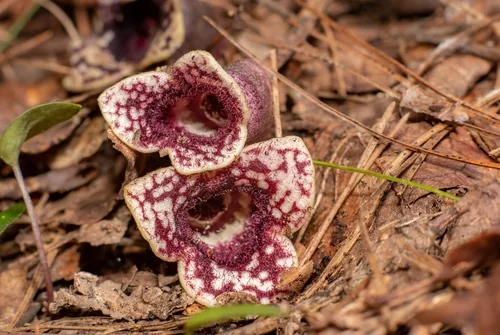
Wild ginger is the low heart-leaved groundcover of eastern woodlands—flowers hidden at soil level for ants and curiosity, not Instagram. Not culinary ginger; different family, different rules. Only in cool pockets and northward; heat and long humid summers are not its personality—try native Hexastylis species farther south if you want ginger-ish leaves. Sun and water: Full to partial shade; rich, moist, humusy soil that never bakes. Mimics forest floor, not parking median. Rhizome division when dormant; fresh seed sown immediately; slow spread—patience is currency. Harvest Wild Ginger aerial parts in early flowering for many mint-family uses -- oils shift after full bloom. Dry in shade with airflow between 95-110°F (35-43°C) until crisp; mold invalidates the batch. Label harvest date and plant part -- winter you will not remember which jar was optimism.
Permaculture Functions
- Ground Cover: rhizomes creep under leaf litter in heart-shaped pairs -- stays under 20 cm, perfect for trillium neighbors.
- Medicinal: rhizome entered Indigenous and eclectic practice as a mild stimulant and emetic -- not interchangeable with Zingiber; confirm species and safety references before internal experiments.
- Wildlife Attractor: Brown jug flowers sit on soil for ants and flies -- seed elaiosomes feed ants that plant next generation.
Companion Planting
Also mentioned as companions:
- Fern
- Trillium
Not yet profiled in PermiePortal
- Full sun and drought
- Confusing with unrelated “wild ginger” toxic lookalikes in other regions