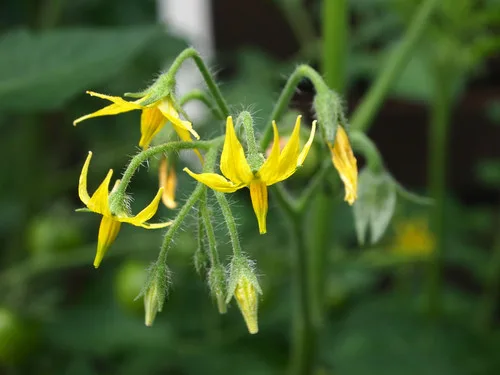
Field Identification
Calcium deficiency shows as new tissue damage while older leaves still look relatively normal because calcium is not mobile inside the plant. Classic signs include blossom end rot on fruiting crops, blackened young leaf margins, and distorted root tips. It is often triggered by uneven soil moisture even when soil tests show adequate calcium, because uptake is passive with transpiration flow. Hot dry spells and fast growth flushes make symptoms appear overnight.
Inspect the youngest leaves and the blossom end of the first fruit set on tomatoes and peppers for water-soaked lesions that turn leathery. On brassicas, internal tip burn appears before outer leaves flag. Tissue tests compared with healthy plants confirm low calcium in new growth. Rule out insect damage and spray burn by checking pattern symmetry and timing relative to fertilizer or pesticide events.
Not sure what you have? Use the symptom diagnosis tool →
How to Deal With It
Organic Control Methods
Mycorrhizae and diverse soil biology improve root exploration for calcium already present in many soils. Compost additions feed microbes that regulate nutrient availability cycles. Bioavailable calcium from finely ground mineral amendments releases slowly with biological weathering. None of these replace irrigation management when the real limiter is drought-stopped uptake.
Mulch soil to buffer moisture swings and reduce blossom end rot incidence in fruiting crops. Avoid extreme ammonium nitrogen ratios that can antagonize calcium uptake on sensitive cultivars. Lime acid soils according to soil test recommendations, because low pH reduces calcium availability even if calcium exists on the report. For containers, use complete mineral fertilizers rather than only high-potassium bloom formulas during fruit set.
Irrigate on a steady schedule in fast-draining media instead of oscillating between bone dry and saturated. Avoid root pruning from aggressive cultivation near drip lines of established plants. Foliar calcium sprays buffer symptoms on new fruit when applied before lesions appear -- they do not fix rotted tissue already formed. Ventilate greenhouses on bright days so transpiration keeps calcium moving to meristems.
Staking and pruning tomatoes to moderate leaf area during the first fruit load can reduce extreme transpiration imbalances on overloaded plants. Shade cloth during heat spikes lowers water stress enough to prevent tip burn in some lettuce systems. Row cover that overheats tunnels should be opened promptly in morning.
Foliar calcium chloride or calcium nitrate solutions are used commercially -- organic certifiers vary by product and jurisdiction, so read labels. Kelp and fish emulsion provide some calcium but are not precision tools for acute deficiency. Gypsum supplies calcium without raising pH on many alkaline western soils when sodium is not the issue -- confirm with a soil test before repeating applications.
Let Nature Handle It
Natural Enemies
- Beneficial Fungi
- Competitive Microbes
- Antagonistic Bacteria
Threat Map