Field Identification
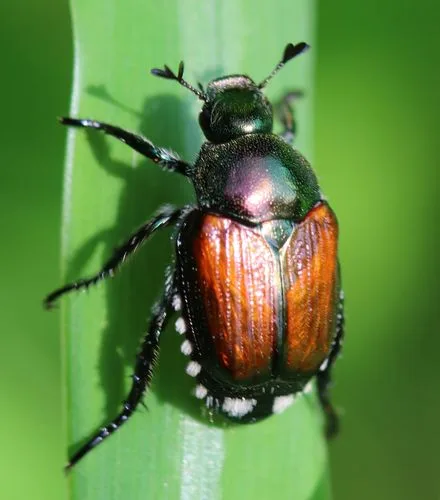
Root feeding grubs is a catch-all for white C-shaped scarab larvae that chew fibrous roots of turf, vegetables, nursery liners, and young trees. Damage shows as wilting in heat, thinned stands, and easily lifted sod. Genera include Phyllophaga, Cyclocephala, Popillia, and many regional scarabs. Adults may be May beetles, June beetles, or chafers depending on latitude and habitat.
Dig at the interface of green and dead turf and identify leg count, raster pattern, and body size. Compare with crane fly leatherjackets and with wireworms, which are elongate click beetle larvae. Birds pecking divots strongly suggests high grub counts. Threshold tables differ for home lawn versus sports turf -- use local extension guidance.
Not sure what you have? Use the symptom diagnosis tool →
How to Deal With It
Organic Control Methods
Heterorhabditis bacteriophora nematodes infect many white grub species when soil is warm and irrigation follows application. Metarhizium anisopliae products are labeled in some regions. Ground beetles and ants prey on eggs. Milky spore (Paenibacillus popilliae) is specific to Japanese beetle in parts of its range -- do not expect it to control unrelated scarabs.
Reduce outdoor lighting during adult flights if your species is light-attracted. Maintain moderate fertility and overseed thin turf. Rotate vegetable beds away from chronic hot spots. Inspect balled stock for grub loads before planting orchards.
Raise mowing height and aerate compacted soils. For new sod, ask suppliers about history and scout early. Vegetable growers can delay planting sensitive crops until after tilling exposes grubs to birds.
Solarize future beds during renovation. Hand pick when preparing small holes. Roll back sod locally, remove grubs, and reseat after verification.
Nematodes remain the primary organic rescue with best evidence. Neem drenches vary by species response. Avoid prophylactic organophosphate-class thinking in organic systems -- scout first. Repeat nematode applications across instar windows when labels allow.
Let Nature Handle It
Natural Enemies
- Nematodes
- Ground Beetles
- Birds
Threat Map