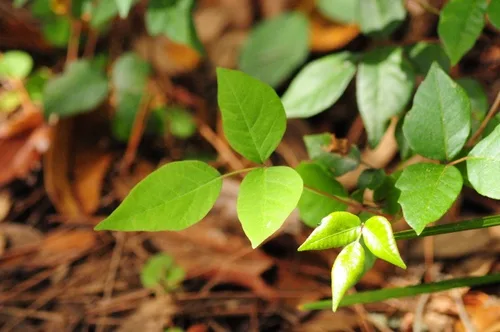
Field Identification
Nutrient burn appears as browned leaf tips and margins, sometimes with darkening along the rim of affected leaves, after heavy fertilizer application, foliar feed in heat, or rising salts in irrigation water. Container plants show it first as white crust on media and marginal necrosis. It stacks with drought stress and wind, so the margin pattern alone is not proof without reviewing recent inputs and electrical conductivity.
Map whether damage is oldest leaves first (classic salt accumulation) or uniform after a single drench event. Measure runoff EC from pots with a handheld meter when available. Compare with disease lesions that expand as spots with halos. Check drip emitters for double-feeding mistakes after crew changes.
Not sure what you have? Use the symptom diagnosis tool →
How to Deal With It
Organic Control Methods
Diverse soil biology can buffer mild salinity swings in ground beds over seasons as organic matter cycles. Mycorrhizae improve root efficiency so lower fertilizer rates still meet demand. These are long games -- they do not undo a quart of liquid feed poured on a 6-inch pot by mistake.
Follow label rates and measure by weight, not glugs. Avoid foliar feeding when air temperature exceeds label limits or when stomates are closing in midday sun. Use clean irrigation water -- shallow wells near coasts can carry sodium. Leach containers periodically until drainage EC drops when monitoring shows climb.
Flush salts downward in ground beds with deep irrigation cycles where drainage allows and water policy permits. Split smaller doses weekly instead of single heavy monthly dumps on sandy media. Mulch pots to reduce evaporation that concentrates salts at the surface.
Scrape salt crust from container surfaces and discard. Replace the top few inches of badly salted potting mix and repot into fresh media for high-value plants. Rinse foliage splashed with fertilizer concentrate.
There is no spray cure for salt burn -- stop inputs and leach. Humic products may marginally complex ions but should not delay leaching. Gypsum helps specific sodium problems in soil chemistry cases, not generic tip burn in a pot from overfeeding kelp. Reset with water management before adding more products.
Let Nature Handle It
Natural Enemies
- Beneficial Fungi
- Competitive Microbes
- Antagonistic Bacteria