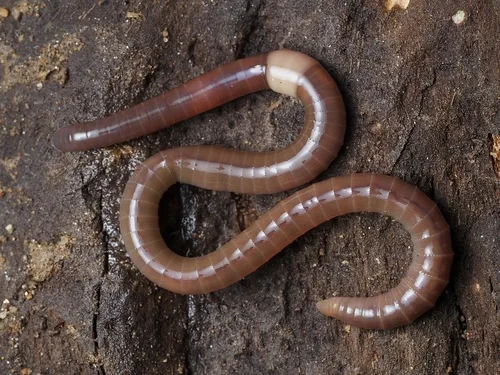
Field Identification
Jumping worms are invasive pheretimoid earthworms that thrash snake-like when disturbed and consume the organic layer of forest soils and garden beds aggressively. Their castings look like uniform coffee grounds that strip structure from mulch and can reduce seedling establishment. They spread through horticultural media, compost, potted plant moves, and fishing bait release. Populations are expanding in temperate eastern North America and other regions where they arrive with human transport.
Adults have a smooth milky clitellum that encircles the body unlike the raised saddle of many European lumbricids. The tail may break off when handled, a defensive trait. Look for the granular soil signature under mulch and compare with normal crumb structure from slower worms. Solarize suspicious batches of mulch or mix before applying widely.
Not sure what you have? Use the symptom diagnosis tool →
How to Deal With It
Organic Control Methods
Some native ground beetles and birds eat exposed jumping worms, but predation does not eliminate populations in invaded beds. Research on biological controls is ongoing and not a homeowner dial yet. Avoid spreading worms to new sites -- that matters more than hoping predators catch up this season.
Buy mulch and compost from suppliers that heat-treat or age materials according to best management practices for invasive worms. Inspect root balls of balled stock for unusual granular soil. Do not dump live bait worms in woods or water. Clean boots and tools when leaving infested natural areas before visiting worm-free gardens.
Replace bare granular castings with fresh mulch layers only after you have a containment plan, because thick mulch alone does not eradicate worms. For vegetable beds, consider shallow tillage versus no-till tradeoffs with extension guidance -- opinions differ by ecosystem goals. Focus on preventing export: contain on-site rather than sharing plants rooted in infested soil.
Heat treatment of small volumes of soil or compost in solar ovens or dedicated equipment kills cocoons when temperature-time thresholds from research are met -- verify with university extension before scaling. Hand picking reduces numbers on tiny beds after rain but is not sustainable at landscape scale. Screening out obvious worm loads from purchased mixes reduces initial inoculum.
Tea seed saponin drenches show experimental suppression in plots but are not universal home remedies. Mustard seed meal biofumigation is studied for cocoons with mixed results and affects other soil life. Do not apply salts or bleach to garden soil. Prioritize containment, heat, and buying clean media over mystery internet drenches.
Let Nature Handle It
Natural Enemies
- Ground Beetles
- Birds
- Spiders
Threat Map