About
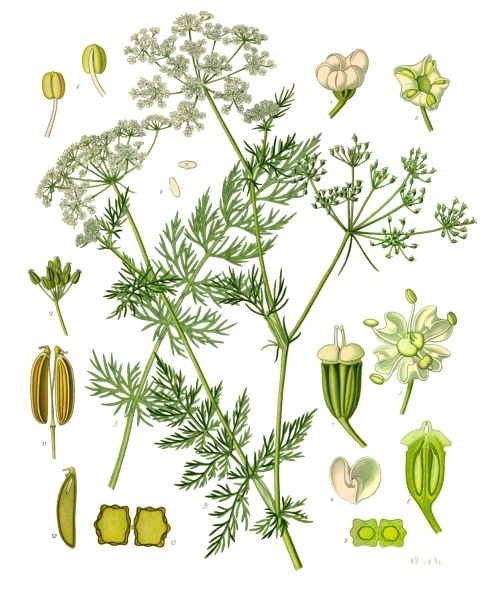
Wild fennel is fennel that stopped asking permission — perennial crowns in mild climates, anise perfume, yellow umbels that swallow swallowtails. Pollen, seeds, and young shoots enter kitchens; older stems get woody. It is listed invasive in parts of the world; in subtropical and tropical Americas manage spread if you plant the fertile type, or use bulbing selections where you need manners. Sun and drainage make the difference between lush and sulky. It pairs with Mediterranean herbs but keep it away from dill if you are saving either for seed — cross-pollination makes boring offspring. ☀️💧 Sun and Water: - Full sun. - Well-drained average to poor soil; over-fertilized fluff attracts aphids. - Drought-tolerant once established; water young plants. ✂️ Propagation: - Seed (fresh is best). - Division of crowns in cool weather.
Permaculture Functions
- Edible: Seeds, pollen, tender growth; classic fish and sausage pairing.
- Medicinal: Carminative tradition for digestive complaints.
- Pollinator: Non-stop insect traffic in bloom.
- Wildlife Attractor: Swallowtail host plant — plant extra for caterpillars.
- Border Plant: Tall, feathery screens and backdrops.
- Dynamic Accumulator: Deep roots + copious leaf drop.
Wild fennel is insectary aromatics with attitude:
Practitioner Notes
- Blanch or process within hours if you are freezing—enzymes keep chewing while paperwork waits.
- Weigh small test batches before scaling tinctures—solvent ratio mistakes are expensive at gallon ambition.
- Cluster patches three feet or wider—tiny one-offs get ignored by bees cruising for volume.
- Soil smell and root color tell more than gadget overload—dig a small hole twice a season.
Companion Planting
- Olive
- Sage
- Yarrow
- Dill
Pest Pressure