About
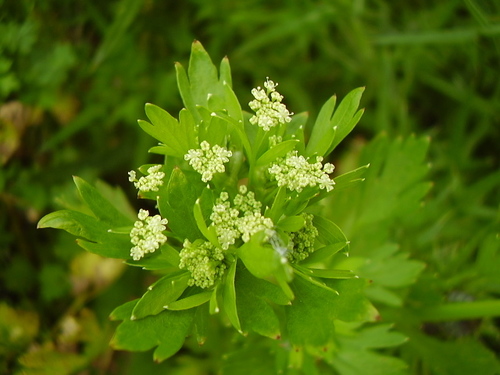
Apium graveolens in the wild-type form is the bitter, stringy ancestor of grocery celery — stronger flavor, smaller petioles, same Apiaceae caution about lookalikes in wet ditches. It shows up naturalized in moist disturbed ground. Culinary use historically focused on leaves and seeds; stalks need selection or cooking. subtropical and tropical Americas: prefers cool wet pockets; may grow through winter as a rosette and bolt when days lengthen. ☀️💧 Sun and Water: - Full sun to light shade. - Consistent moisture; tolerates brief inundation better than drought. - Rich loam with organic matter. ✂️ Propagation: - Seed; light-dependent germination for some lines — surface sow. - Division possible on clumping forms but seed is standard.
Permaculture Functions
- Edible: Leaves and seeds as seasoning; stalks only where palatable.
- Wildlife Attractor: Umbels attract beneficial insects when allowed to flower.
- Border Plant: Moist edge herb in polyculture beds.
- Dynamic Accumulator: Biomass and deep roots improve mulch cycles in wet soils.
Wild celery ties crop genetics to foraging reality:
Practitioner Notes
- Morning picks hold turgor; afternoon heat steals shelf life even if the cooler feels honest.
- Watch the plant’s own signals first—catalog zone numbers do not replace your site’s microclimate truth.
- Overfertilized fast growth dilutes flavor and invites sap feeders—lean soil often tastes more like itself.
- Soil smell and root color tell more than gadget overload—dig a small hole twice a season.
Companion Planting
- Lovage
- Onion
- Lettuce
- Drying out in peak heat without mulch
Pest Pressure