About
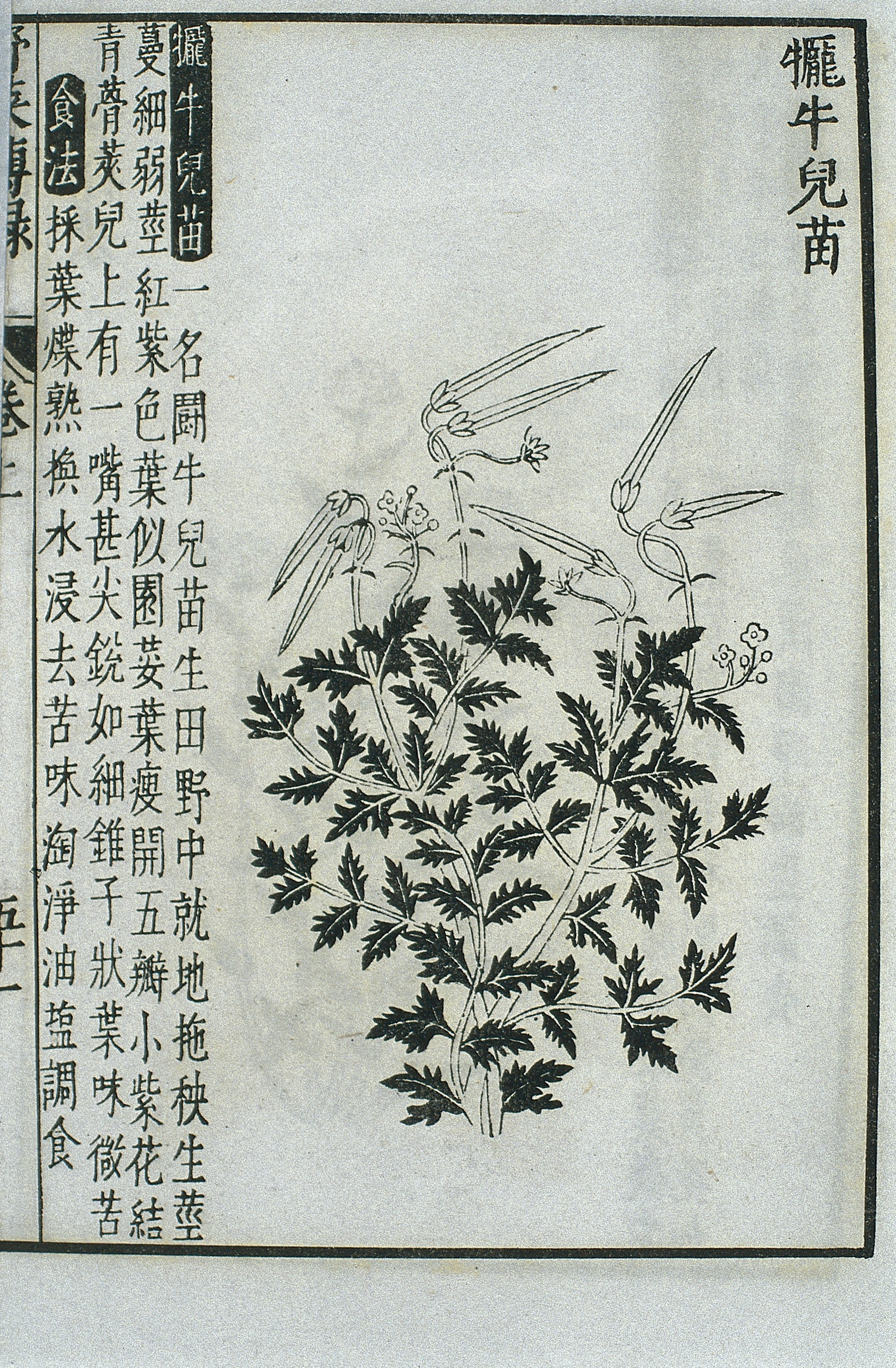
This is the Caribbean kitchen's answer to cilantro that does not faint in heat — saw-toothed rosettes and bold flavor, sometimes sold as culantro or recao. It is a staple in subtropical and tropical Americas subtropical plots where true cilantro bolts before you find the salsa bowl. Flavor is stronger and more resinous than Coriandrum; chop fine for sofrito, beans, and marinades. Flowers are understated but pull small beneficials; it reseeds freely in mulch. ☀️💧 Sun and Water: - Part sun to light shade in peak summer; morning sun + afternoon relief reduces tip burn. - Steady moisture; stress invites thrips and ugly foliage. - Loose, compost-rich soil; tolerates humidity better than desert herbs. ✂️ Propagation: - Seed: needs fresh seed and warmth; germination can be slow. - Volunteer seedlings: let one plant finish if you want free replacements.
Permaculture Functions
- Edible: Leaf is the main crop; classic in Latin Caribbean and Southeast Asian
- cooking.
- Medicinal: Traditional uses vary by culture; not a substitute for real care.
- Pollinator: Small flowers still feed tiny insects in the understory.
- Border Plant: Low rosettes edge paths and shade beds without looking precious.
Wild coriander is the humid South's cilantro workaround:
Practitioner Notes
- Culantro is not cilantro—serrated leaves, different heat tolerance.
- Bolts less in heat than true cilantro—still cut flower stalks for leaf focus.
- Wet feet rots crown—sharp drainage even in humid climates.
Companion Planting
- Pepper
- Tomato
- Okra
Pest Pressure