About
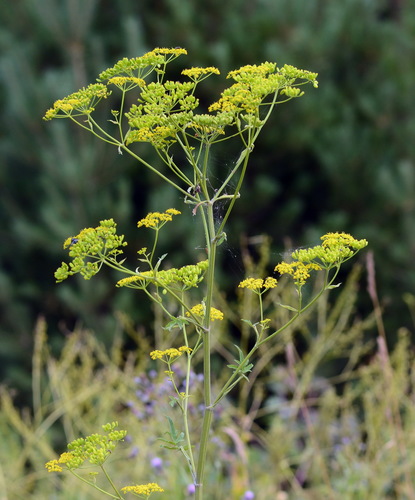
Wild parsnip is the escaped biennial cousin of the root vegetable. Yellow umbels look innocent; the sap plus sunlight can cause brutal phytophotodermatitis — blisters, scars, weeks of regret. Wear gloves, long sleeves, and eye protection if you must handle it. This entry is honest ecology, not a foraging endorsement: many managers treat it as a hazardous weed; know your land goals before you "leave it for pollinators." subtropical and tropical Americas: present along roads and disturbed ground. If you allow it, isolate from paths and children's play zones. ☀️💧 Sun and Water: - Full sun. - Tolerates poor, dry soils; classic roadside weed. - Drought-tolerant once established. ✂️ Propagation: - Not recommended to cultivate deliberately; seeds spread easily. - Mechanical control timing matters — cut before seed set if removing.
Permaculture Functions
- Wildlife Attractor: Insects use the flowers; tradeoffs vs. human safety.
- Border Plant: Only in low-traffic, signed, managed contexts if at all.
- Dynamic Accumulator: Deep taproot mines subsoil — useful conceptually, risky practically.
Documented here because it shows up whether invited or not:
Practitioner Notes
- Sharp tools and clean cuts beat torn stems; disease spores love frayed tissue more than rhetoric.
- Watch the plant’s own signals first—catalog zone numbers do not replace your site’s microclimate truth.
- Notebook one weird year—weather anomalies repeat; memory lies, scribbles do not.
- Soil smell and root color tell more than gadget overload—dig a small hole twice a season.
Companion Planting
- Yarrow
- Dill
- Milkweed
- Sunflower
- Crimson Clover
- Skin contact with sap in sun
- Celery
- Parsley
Pest Pressure