About
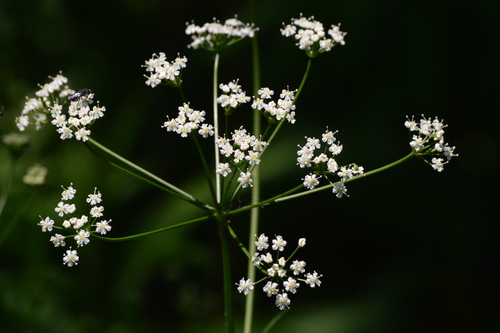
Naturalized dill is the same species as garden dill — it just showed up without an RSVP. Lacy foliage and yellow umbels pull in tiny pollinators and swallowtail butterflies (yes, the caterpillars will nibble; plant extra). In subtropical and tropical Americas treat it as a cool-season annual or overwintering biennial: once the heat cranks, it bolts to seed fast. Leaves and seeds taste like dill; do not confuse with toxic look-alikes in other families. ☀️💧 Sun and Water: - Full sun for compact growth; leggy shade dill flops and flowers early. - Average moisture; likes steady water but not boggy roots. - Rich, loose soil speeds growth; heat waves mean more water and maybe afternoon shade. ✂️ ✂️ Propagation: - Seed: direct-sow in cool weather; does not transplant shock-free unless very young. - Let a few plants go to seed and you will never run out.
Permaculture Functions
- Edible: Leaves, flowers, and green seeds for pickles, fish, and ferments.
- Pollinator: Umbels are busy with small bees and wasps.
- Wildlife Attractor: Black swallowtail host — share the row.
- Border Plant: Tall, airy lines at bed edges or in the herb spiral.
Wild dill is kitchen aromatics that doubles as an insectary:
Practitioner Notes
- Morning picks hold turgor; afternoon heat steals shelf life even if the cooler feels honest.
- Deadhead for repeat bloom if the species responds; leave late heads if birds or beneficials need seed.
- Watch the plant’s own signals first—catalog zone numbers do not replace your site’s microclimate truth.
- Cluster patches three feet or wider—tiny one-offs get ignored by bees cruising for volume.
Companion Planting
- Lettuce
- Cucumber
- Onion
- Wild Fennel
Pest Pressure