About
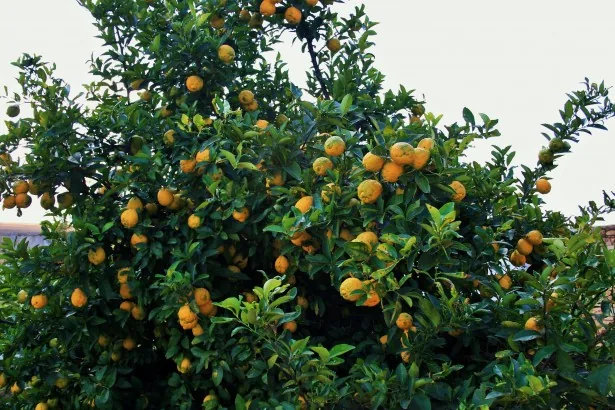
The Lemon Tree is a small to medium-sized evergreen tree, typically reaching heights of 3 to 6 meters (10 to 20 feet). It has glossy, dark green leaves and produces fragrant white to pink-tinged flowers. The fruit is a bright yellow, oval-shaped berry with a distinctive sour taste. Lemons are rich in vitamin C and are used in a variety of culinary and medicinal applications. The tree thrives in well-drained, slightly acidic soils and requires full sun exposure. Lemon Trees require full sun, with at least 6 to 8 hours of direct sunlight daily. They prefer consistent moisture but are sensitive to waterlogged conditions. Regular watering is essential, especially during dry periods, to maintain soil moisture without oversaturation. Propagation is commonly achieved through grafting onto compatible rootstocks to ensure desired fruit characteristics and disease resistance. Seed propagation is possible but may not produce true-to-type plants and can result in variable fruit quality. Lemons can be harvested when they have developed full coloration and have a slight give when gently squeezed. Depending on the variety and climate, this can occur multiple times a year, with some trees bearing fruit year-round.
Permaculture Functions
- Edible: Eureka and Lisbon types bear heavily year-round in frost-free sites -- zest thin flavedo before juicing for syrup; Ponderosa types size like grapefruit and need scaffolding for branches.
- Medicinal: Hot lemon-honey tea is kitchen medicine for scratchy throats -- citric acid erodes tooth enamel if you sip all day; GERD-prone folks often skip medicinal concentration on empty stomach.
- Pollinator: White waxy flowers perfume the dooryard in late winter flush and pull honeybees between citrus rows -- when few other canopy trees are in bloom.
- Wildlife Attractor: Orioles pierce ripe fruit in humid climates -- leave one branch sacrificial if you want color without netting the whole scaffold.
- Border Plant: Dwarfing rootstock lemons stay hedge-height along sunny fences -- where standard trees would shade the vegetable bed by June.
Companion Planting
Also mentioned as companions:
- Clover
- Marigold
- Basil
- Mint
- Thyme
Not yet profiled in PermiePortal
- Walnut
Threats & Pressure
- Asian Citrus Psyllid
- Broad Mite
- Brown Citrus Aphid
- Citrus Leafminer
- Citrus Mealybug
- Citrus Red Mite
- Citrus Root Weevil
- Citrus Whitefly
- Diaprepes Root Weevil
- Longtailed Mealybug
- Oriental Fruit Fly
- Scale Insects
- Texas Citrus Mite
- Whiteflies
- Armored scale
- Soft scale
- Black scale
- Brown soft scale
- Cottony cushion scale
- Florida wax scale
- Oleander scale
- Rust Mite
- Swallowtail Caterpillar