About
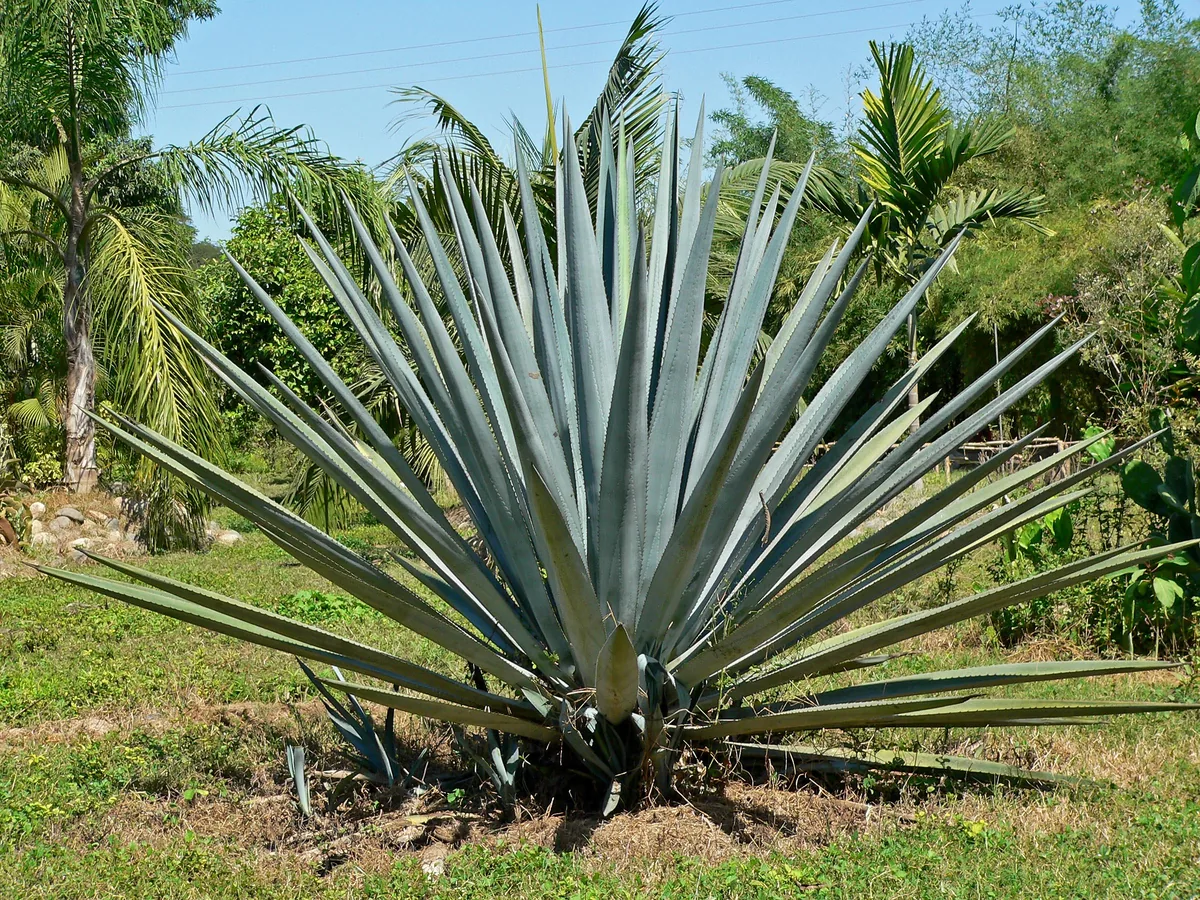
Blue agave is the spiky fountain of desert capitalism — same species behind tequila, same drama in the landscape. Rosette for years, then a telegraph pole of bloom and death. In subtropical and tropical Americas it is a dry microclimate pet, not a swamp roommate. Full blasting sun; shade makes weak, etiolated leaves that offend aesthetics and ethics. Sharp drainage — sand, gravel, berms, contempt for clay bowls. Drought-tolerant once established; summer wet on cold soil is rot karaoke. Bulbils and offsets: remove pups when sizable, dry cuts, plant in gritty mix. Seeds: slow and variable; novelty path, not production timeline. Piña harvest is a years-long commitment -- mark planting dates and size targets before you commit tools. Cut leaves close to the core with sharp pikes; sap irritates skin for many people -- gloves and eye sense. After harvest, dry or cook processing lines matter as much as field timing; sweet agave work is not a midnight whim.
Permaculture Functions
- Edible: Agave tequilana cores yield sweet sap for slow-roasted piña and syrup lines -- where harvest crews already plan years between replant after monocarpic bloom.
- Mulcher: Thick spent leaves strip to coarse fiber bundles that brown fast on berms -- so chop-and-drop cycles add carbon without fine turf thatch.
- Erosion Control: Fibrous roots grip rocky slopes in dry climates -- where shallow-rooted annuals wash out after the first monsoon burst.
Companion Planting
Also mentioned as companions:
- Yucca
Not yet profiled in PermiePortal
- Heavy irrigation in cool seasons
- Planting in low frost pockets without grit amendment
Threats & Pressure