About
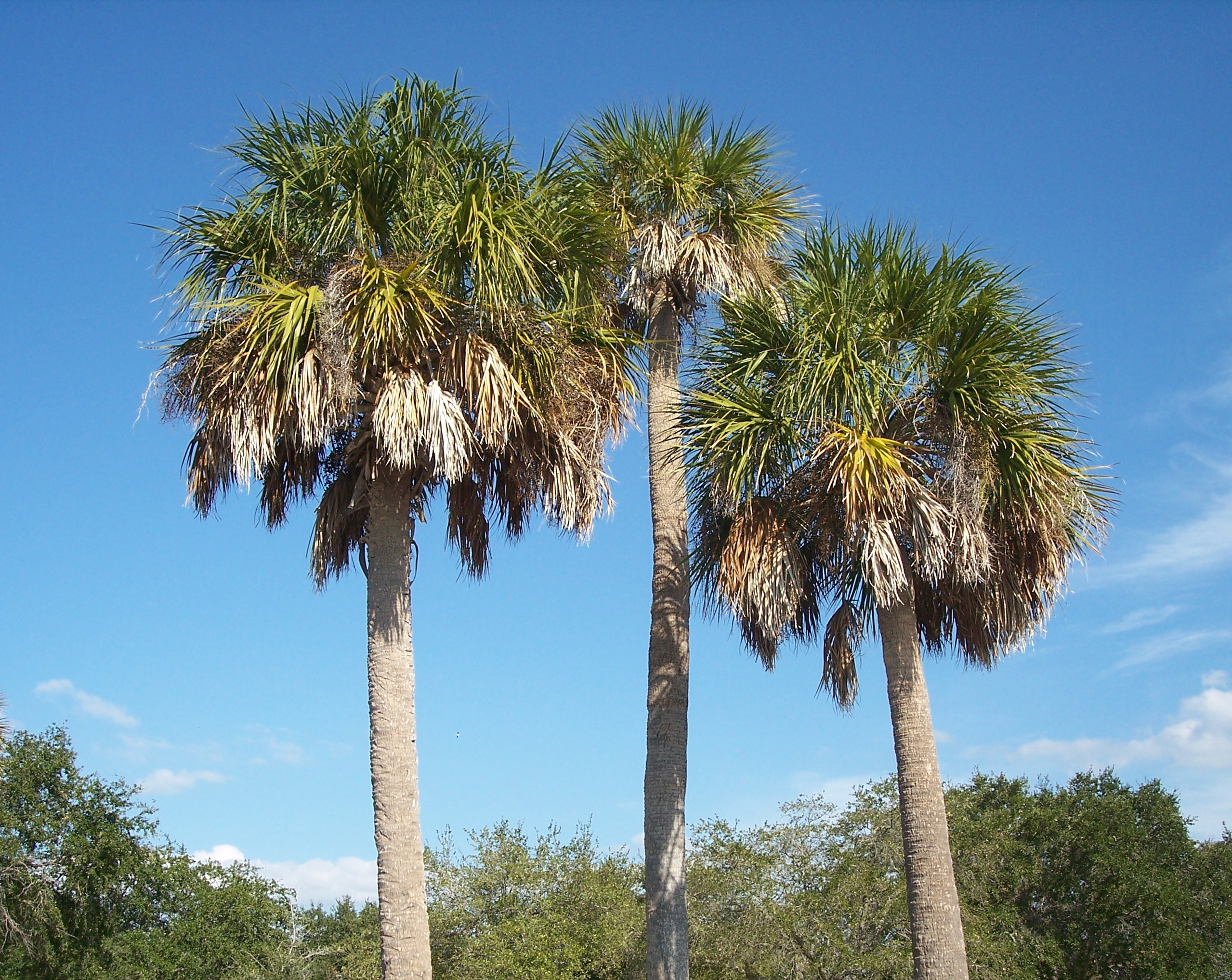
Blue palmetto commonly denotes dwarf palmetto (Sabal minor), a trunkless or short-trunk palm of moist forests and floodplains across the southeastern United States into Mexico and the Caribbean, with bluish-green fan leaves on long petioles. Clumps spread slowly via seed and sometimes short rhizomes, typically 5–10 feet (1.5–3 m) tall above ground stems when present. It is a structural understory palm for humid subtropical to tropical food forests, rain gardens, and shaded margins where winter lows occasionally dip near 5°F (-15°C) on protected sites. ☀️💧 Sun and Water Requirements: Part shade to full sun depending on moisture; coastal full sun works with irrigation. Prefers consistently moist, organic soils but tolerates short dry spells once established with mulch. Protect from desiccating wind on marginally cold sites; mulch crowns after hard freezes in zone-pushing plantings. ✂️ Propagation: Sow fresh seed in warm, humid media; germination is slow but steady. Transplant young offsets carefully—palms resent crushed root initiation zones. Remove only dead fronds; green leaves feed the plant through photosynthesis no matter your aesthetic impatience. 🌾 Harvest / Best Use Timing: Landscape and habitat value dominate; some traditions use palm hearts only at unsustainable cost—do not casually strip wild stands. If collecting fallen fronds for mulch or craft, take dry material without peeling living crowns.
Permaculture Functions
- Ornamental: Fan palms add honest tropical structure without importing obviously mismatched species.
- Wildlife Attractor: Fruits feed wildlife; fronds shelter small fauna in understory layers.
- Border Plant: Clumping habit defines wet edges and transitions between lawn delusions and forest.
- Shade Provider: Broad leaves cast dappled shade for shade-tolerant herbs and young trees.
- Mulcher: Persistent leaf litter builds acid-leaning organic matter on site.
Practitioner Notes
- Check regional names—Sabal taxonomy invites cocktail arguments; growth habit matters more than bar trivia.
- Do not prune living fronds for tidy fever—starving the crown is slow murder with good intentions.
- Seeds germinate erratically; patience beats daily excavation checks.
- Wet feet tolerance is not anoxic mud tolerance—still aim for some soil oxygen between floods.
Companion Planting
- Elderberry — shares moist edge ecology; elder gives height while palmetto holds the floor
- Wild Ginger — shade groundcover tolerates palm litter and root competition in humid sites
- Yarrow — sunny front edge of palm clumps handles drier stripe where water drains away
- Cold-dry winter winds — leaf tip burn on exposed marginally hardy plantings
Pest Pressure