About
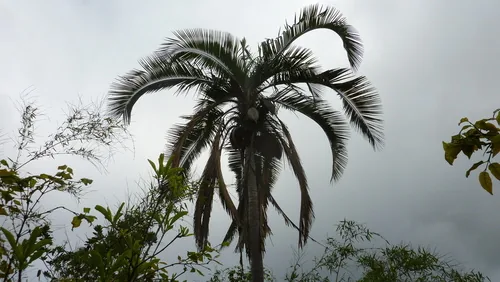
Pindo palm is the cold-tolerant feather palm that drops messy, fragrant yellow fruit and dares you to make jelly. Landscape architects love the blue-gray fronds; squirrels love everything. A realistic palm for 8b/9a with established specimens handling short dips better than marketing brochures admit. Still: plant the crown high, improve drainage, and skip the fantasy that it is a coconut. Sun and water: Full sun once established; young plants appreciate part shade. Drought-tolerant when mature but fruits better with deep, occasional watering in well-drained soil. Fresh seeds (slow germination, months are normal); transplant only small specimens—large palms resent root disturbance. Pindo Palm: harvest fruit when fully colored and aromatic -- underripe jelly fruit stays stubbornly starchy. Use pole baskets or hooks on tall trunks; ripe heads bruise if they free-fall onto concrete morality plays. Pulp ferments fast -- process within a day or two, or freeze puree in flat bags for later.
Permaculture Functions
- Edible: Butia capitata yellow drupes smell like pineapple-banana when fully ripe, cooking into amber jelly and wine must with high pectin -- process pulp within a day because fermentation starts fast on countertop heat.
- Ornamental: Blue-gray pinnate fronds and stout solitary trunk read as cold-hardy palm architecture into zone 8b with drainage -- fruit mess is the price of edible landscaping under power lines.
- Windbreaker: Plant tight groups on coastal ridges and west walls to shred desiccating wind before it hits citrus or vegetable rows -- fronds flex instead of shattering like brittle fan palms in ice.
- Wildlife Attractor: Fallen fruit feeds gray squirrels, raccoons, and mockingbirds that ignore your pickup calendar -- pressure-wash patios after jelly weeks or accept sticky sociology experiments.
Companion Planting
- Chronic wet feet
- Deep shade (weak growth, fewer fruit)
- Mediterranean herbs
Threats & Pressure