About
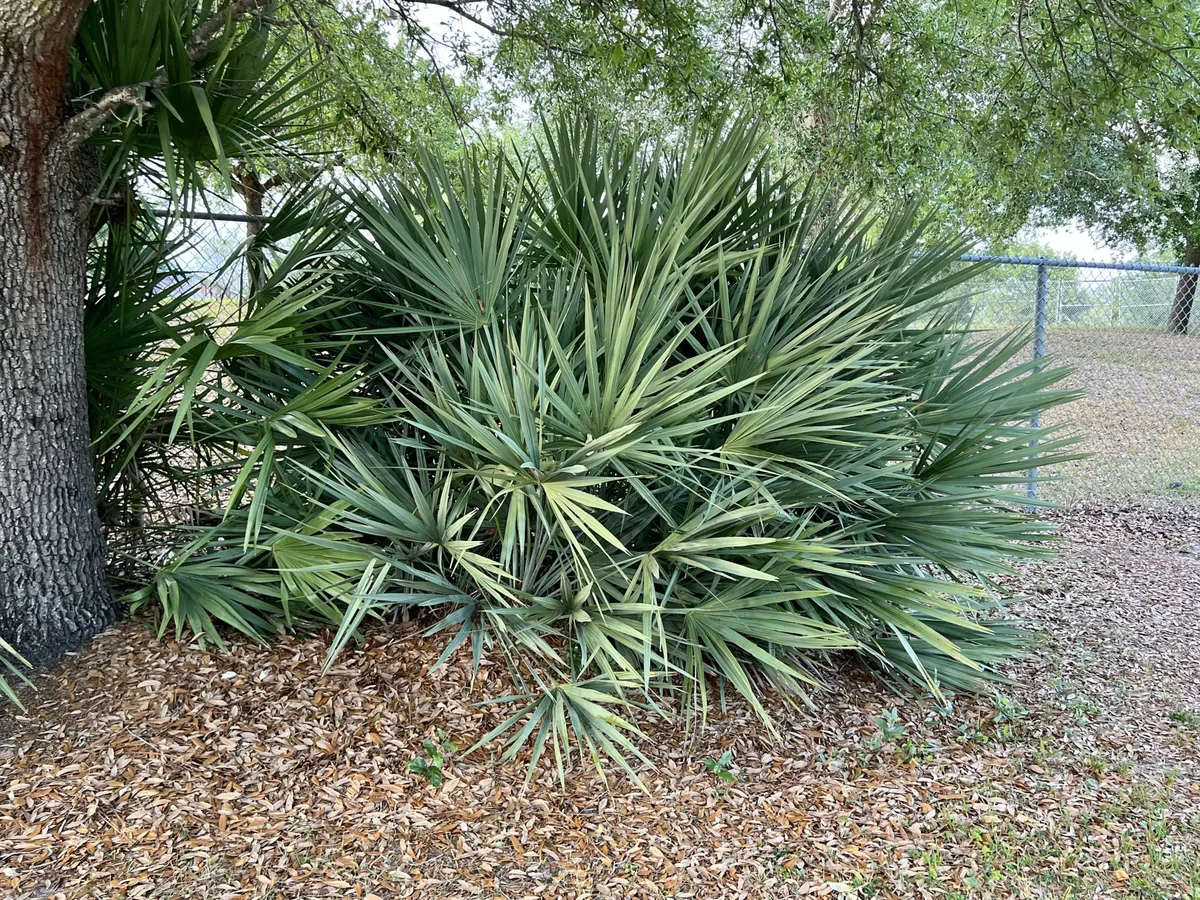
Saw Palmetto is a slow-growing, clumping palm native to the southeastern United States. It typically reaches heights of 1.5 to 3 meters (5 to 10 feet) and spreads 1.2 to 3 meters (4 to 10 feet) wide. The plant features fan-shaped fronds with sharp, saw-like teeth along the petioles, giving it its common name. Leaf color varies from green to silvery-blue, especially in coastal regions. Saw Palmetto thrives in full sun to partial shade and is highly adaptable to various soil types, including sandy and well-drained soils. Once established, it is both drought-tolerant and moderately salt-tolerant, making it suitable for coastal landscapes. The plant produces small, fragrant, cream-colored flowers, followed by bluish-black drupes that ripen between August and October. Seeds: Sow fresh seeds in well-draining soil; germination may take several months. Division: Separate suckers from the parent plant and replant them. Sun: Prefers full sun but tolerates partial shade. Water: Drought-tolerant once established; occasional watering promotes growth. Berries: Harvest ripe berries in late summer to early fall (August to October).
Permaculture Functions
- Edible: Serenoa repens ripe blue-black drupes carry rich oil once used historically for calories in small amounts -- modern tables lean on standardized extracts instead of bulk fresh eating.
- Medicinal: Lipid extracts from dried berries anchor pharmacy shelves for benign prostate symptom trials -- coordinate label claims with clinicians because whole-berry chemistry varies by ecotype.
- Wildlife Attractor: Bears, foxes, and tortoises strip clusters in scrub -- while fan palms shelter quail and snakes at ground level.
- Ground Cover: Trunkless suckering mats tile pine understories and exclude turf weeds under oak drip lines -- without forming a thirsty lawn.
- Erosion Control: Fibrous roots spread through deep coastal sand so hurricane surge leaves stems standing -- where bare soil would wash seaward.
Companion Planting
Also mentioned as companions:
- Live Oak
Not yet profiled in PermiePortal
- None specified
Threats & Pressure