About
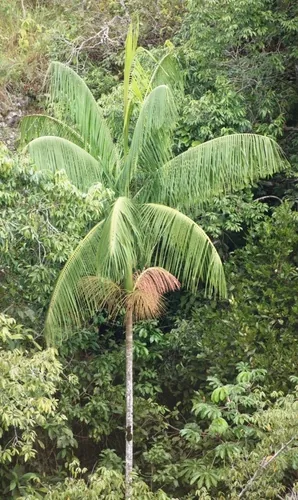
Juçara is the southern Brazilian sister to açaí (**Euterpe oleracea**): a slender clustering palm with pinnate leaves, hanging inflorescences, and edible purple fruit pulp—when you can beat the pests and humidity to harvest. Wild populations have been hammered by illegal palm-heart cutting; sustainable cultivation matters. Treat like other tropical understory palms: frost-free, humid, shaded when young. Not an outdoor staple in cool subtropical areas unless you have a conservatory and reliable humidity. Bright shade to partial sun as juvenile; more sun in cloud-forest humidity. Rich, organic, well-drained but moist soil; never dry to wilting for long. Fresh seed in warm, humid media; divisions of clustering stems on mature clumps (specialist work). Patience measured in years. Fruit pulp when clusters ripen; palm-heart harvest kills that stem—if someone offers you "sustainable" heart from wild juçara, ask rude questions.
Permaculture Functions
- Edible: Euterpe edulis produces açaí-like purple drupes used like its northern cousin -- eat pulp from sustainably grown clusters; palm-heart harvest kills stems, so reject wild-cut hearts that drive illegal poaching of native stands.
- Ornamental: Clustering, feathery crowns read cloud-forest lush in humid collections -- not a patio palm unless you can supply constant moisture and shade while young.
- Wildlife Attractor: Hanging infructescences feed toucans and palm bats in native range -- expect heavy frugivore traffic and plan cleanup under walkways.
- Shade Provider: Multiple slender trunks cast filtered shade for cacao, banana, or understory gingers -- site where airflow continues because still, humid pockets invite palm weevils and fungal hearts.
Companion Planting
Threats & Pressure