About
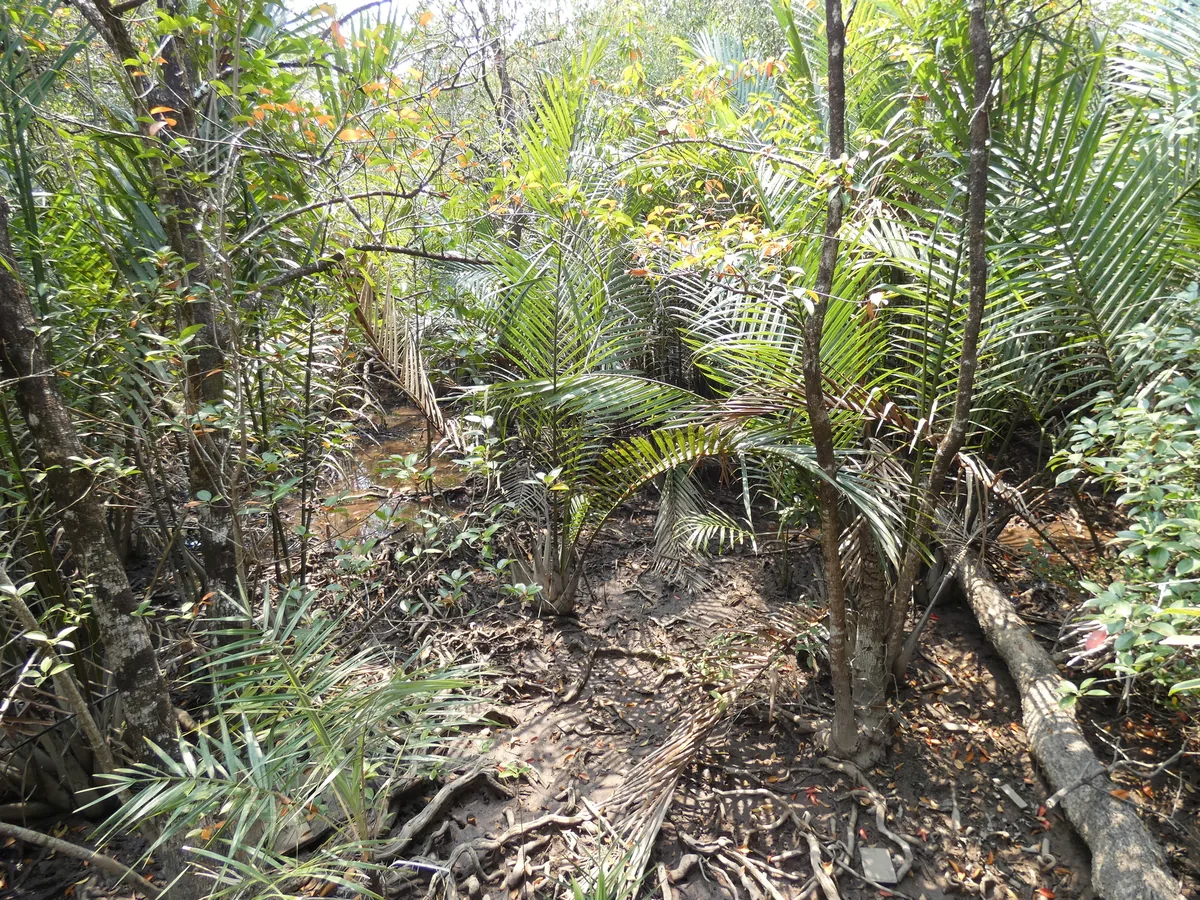
The nipa palm (Nypa fruticans) is a mangrove associate with feathery fronds erupting from prostrate, branching trunks that creep through brackish mud like botanical subway lines. It dominates tidal estuaries and soft coastlines across the Indo-Pacific, producing sweet sap, thatch, and fruits while stabilizing mushy shorelines. This is not a lawn palm—it is infrastructure with chlorophyll. subtropical and tropical Americas: Puerto Rico and the Caribbean have limited historical presence; most US readers will meet it abroad or in collections. If you are in true tropical estuary restoration contexts, match salinity and tidal regime honestly—wishful planting in freshwater pits creates different problems. Full sun in humid tropics; partial shade tolerated while young. Brackish tidal flooding to sustained wet mud; growth ties to salinity and hydroperiod—dry uplands are a non-starter. Collect buoyant propagules from water; plant into soft mud at protected sites during calm tidal windows. Division of clumping rhizome sections is practiced where traditional harvest systems exist—learn local methods before improvising. Sap tapping follows mature stand management rhythms; over-tapping without rotation is how traditions become cautionary tales. Thatch and leaf harvest after fronds mature; fruit processing is seasonal and wet-work—plan boots, not vibes.
Permaculture Functions
- Aquatic: Nypa fruticans spreads by submarine rhizomes through brackish tidal mud with pneumatophore-like breathing roots where upright feather palms would drown -- growth tracks salinity and hydroperiod, so match planting to real estuary charts, not backyard pond cosplay.
- Biomass: Enormous pinnate fronds yield thatch, roofing, and bulk mulch for village-scale economies along Indo-Pacific coasts -- rotational harvest prevents stands from thinning into weedy gaps while still feeding local craft cycles.
- Fiber: Split petioles and woven leaflets become baskets, mats, and cordage with high tensile strength wet or dry -- traditional tapping for sweet sap runs on mature clumps managed by people who already know the tidal calendar.
- Wildlife Attractor: Rhizome tangles shelter fiddler crabs, mudskippers, and juvenile fish while fruiting spikes feed bats and pigs where land meets brackish water -- matrix planting stitches mangrove edges into nursery habitat instead of bare mud pans.
Threats & Pressure