About
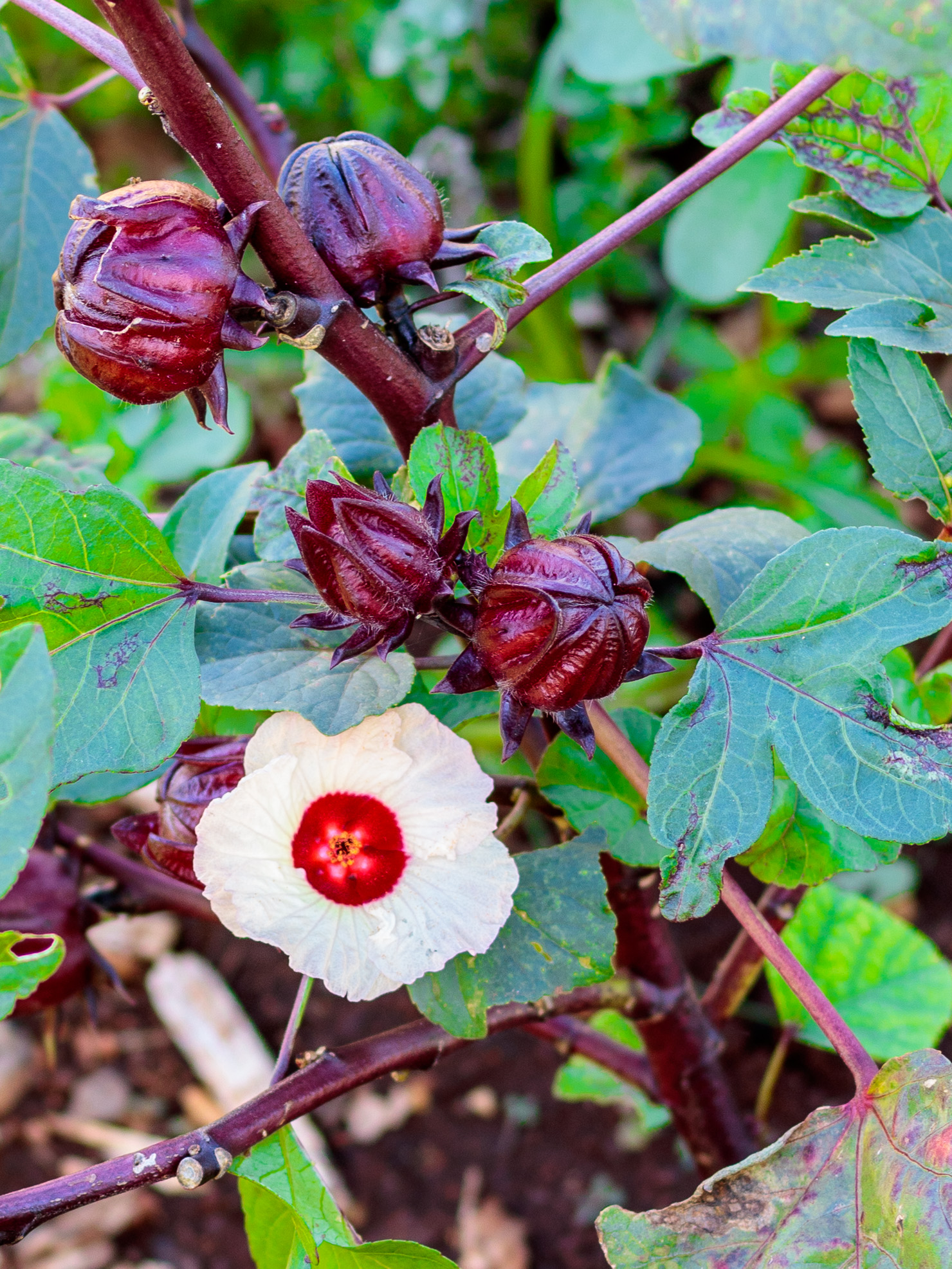
Roselle Hibiscus is a fast-growing annual or short-lived perennial shrub that can reach 1.5-2.5 meters (5-8 feet) in height. It features bright green, lobed leaves and striking red stems. The plant produces large, pale yellow flowers with a dark red center, which mature into thick, fleshy red calyces. These calyces are commonly used to make herbal tea, jams, and syrups. It thrives in warm climates with well-drained soil. 🌞💧 Roselle Hibiscus requires full sun for optimal growth, receiving at least 6-8 hours of direct sunlight per day. It prefers well-drained, sandy, or loamy soil with moderate moisture. Overwatering can cause root rot, so good drainage is essential. ✂️🫘 Methods to Propagate: Roselle Hibiscus is propagated through seeds. Sow seeds directly into warm soil after the last frost, or start them indoors 6-8 weeks before transplanting. Germination takes 7-10 days at temperatures above 21°C (70°F). Space plants about 60 cm (24 inches) apart to allow for proper growth. 🧑🌾👩🌾 When to Harvest: Harvest the red calyces 2-3 weeks after the flowers drop when they are plump and bright red. Use pruning shears to clip the calyces from the plant. Leaves and tender shoots can also be harvested for use in salads and cooking.
Permaculture Functions
- **Edible: ** The calyces are used for making hibiscus tea, jams, syrups, and sauces. Leaves and young shoots can be eaten as greens.
- **Medicinal: ** Roselle is rich in antioxidants and vitamin C. It has been traditionally used to support heart health, lower blood pressure, and reduce inflammation.
- **Pollinator: ** The large flowers attract bees, butterflies, and other pollinators.
- **Wildlife Attractor: ** The plant provides nectar and habitat for beneficial insects and wildlife.
- **Mulcher: ** The leaves and stems decompose quickly, enriching the soil with organic matter.
- **Dynamic Accumulator: ** Roselle Hibiscus accumulates nutrients such as calcium and phosphorus, which benefit surrounding plants.
- **Border Plant: ** Its tall, bushy growth and striking red stems make it a useful ornamental border plant.
Practitioner Notes
- Overfertilized fast growth dilutes flavor and invites sap feeders—lean soil often tastes more like itself.
- Harvest flowering tops at first full open for many mint-family herbs; past-brown is mulch grade.
- Cluster patches three feet or wider—tiny one-offs get ignored by bees cruising for volume.
- Sharp tools and clean cuts beat torn stems; disease spores love frayed tissue more than rhetoric.
Companion Planting
- Basil
- Okra
- Sweet Potato
- None known
Pest Pressure