About
Sida (Sida rhombifolia) is a warm-climate mallow relative of fields, roadsides, and disturbed ground throughout tropical and subtropical Americas and beyond. Upright to sprawling stems carry yellow flowers and small dry fruits; stems yield coarse fiber in traditional systems. It can behave as a weed in agriculture yet still functions as a summer nectar plant and erosion stitch on brutal soils. Full sun for strongest growth and flowering; tolerates part shade with lax habit. Tolerates drought and poor soils once established; also accepts irrigated garden conditions where it grows faster—often unwelcome there. Drainage should prevent chronic root rot in cool wet winters at northern range limits. Self-sows freely; sow seed after last frost in warm soil. Cut back before seed set in managed beds if containment matters. Not typically divided; treat as short-lived perennial or annual northward. Fiber-focused harvests cut stems at early bloom before lignification climbs; rett and rinse carefully. For ecology, leave late flowers for bees; collect seed only in controlled trials to avoid spreading invasives.
Permaculture Functions
- Fiber: Sida rhombifolia stems rett to coarse jute-class fiber still twisted into baling twine -- where industrial imports fail midseason.
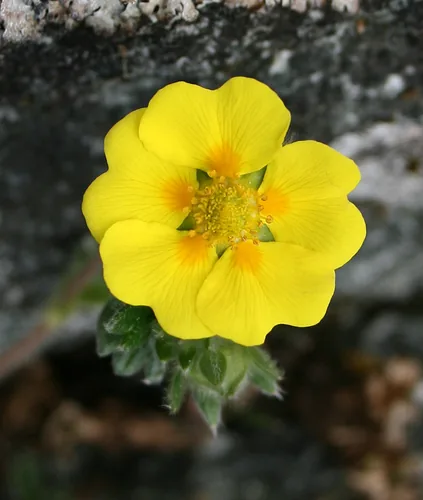
- Pollinator: Lemon-yellow five-petal mallow blooms track midday heat -- when cucurbits have shut nectar taps for the afternoon.
- Wildlife Attractor: Segmented capsules launch seeds for mourning doves along field margins -- while flea beetles chew foliage without killing the taproot crown.
- Ground Cover: Sprawling stems stitch road cuts until slower perennials arrive if you mow seed heads -- where neighbors complain.
Companion Planting
Also mentioned as companions:
- Cowpea
- Grain Sorghum
Not yet profiled in PermiePortal
- Agricultural weed status — prevent seed rain into production fields
- Invasive reports — check regional lists in frost-free islands and coasts before introduction
Threats & Pressure