About
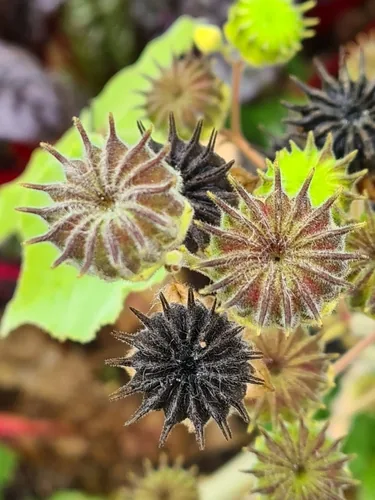
Velvetleaf (Abutilon theophrasti) is a warm-season annual mallow relative naturalized across croplands and disturbed soils worldwide, including much of temperate and subtropical North America. It grows upright to 3–7 feet (1–2 m) with heart-shaped, softly hairy leaves and small yellow-orange flowers followed by woody seed capsules full of long-lived seeds. In permaculture discourse it is mostly a teaching plant: seed bank dynamics, allelopathy studies, and fiber experiments—not a deliberate polyculture centerpiece. Full sun in open, disturbed ground; tolerates crop-field light competition as a seedling. Moderate water needs—thrives where rains or irrigation keep summer soils moist; tolerates short drought once established in a season. Fertile loams accelerate growth and seed output. Self-sows abundantly; fresh seed germinates after soil disturbance and warm nights. Do not import seed on purpose where it is regulated or problematic. If studying fiber, isolate trials from production fields to prevent spread. Stems for fiber trials are cut at early bloom before lignification climbs; rett carefully. Seed capsules mature brown—if collecting for research, bag before shatter. In farm systems, mow or pull before seed set to dent the soil seed bank.
Permaculture Functions
- Fiber: Abutilon theophrasti stems yield jute-class bast if retted early bloom -- only worth the stink in isolated research plots; commercial fields fight this plant, not cultivate it.
- Biomass: One season can produce 2 m of stem volume for compost experiments -- chop before capsules mature or you fund a decade of soil seed bank regret.
- Wildlife Attractor: Yellow-orange mallow flowers feed generalist bees; oil-rich seeds line songbird gizzards in weedy fencerows -- ecological value in agriculture, deliberate planting rarely justified.
Companion Planting
Also mentioned as companions:
- Grain Sorghum
Not yet profiled in PermiePortal
- Invasive agricultural weed — illegal or discouraged in some jurisdictions; do not spread seed deliberately
- Allelopathy — extracts can suppress crop seedlings; avoid returning large amounts of fresh green biomass to sensitive beds
- Seed longevity — soil banks persist years; one careless season seeds a decade of regret
Threats & Pressure