About
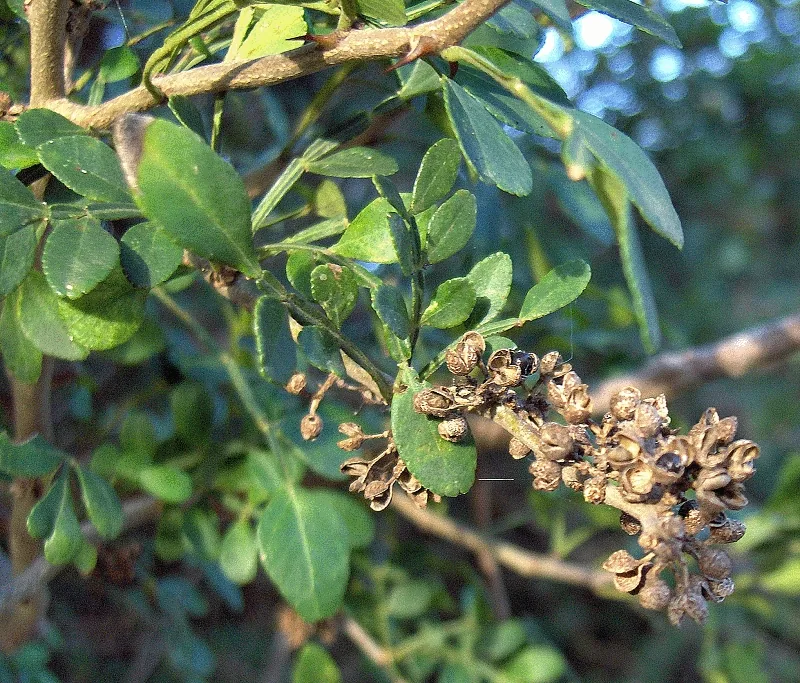
Wild lime (Zanthoxylum fagara) is a thorny evergreen shrub to small tree of coastal hammocks, scrub, and limestone soils in the Caribbean and humid subtropical Gulf–Atlantic coastal plain where hardy. Aromatic leaves smell citrusy when crushed; small flowers yield red drupes on females where pollinators cooperate. It is a classic native understory for bird-thicket plantings and living fences that laugh at casual browsing. Full sun to bright part shade; densest hedge in sun. Well-drained rocky or sandy soils match natural sites; tolerates coastal wind and light salt exposure once established. Moderate drought tolerance after rooting; irrigate young plants through dry spells. Sow seed after pulp cleaning; germination can be slow. Semi-hardwood cuttings under mist in warm months. Transplant carefully—thorns punish rushed handling. Leaves are used sparingly as citrus-like seasoning where traditions support it; verify tolerance and chemistry. Fruits are mostly wildlife food; prune for shape after fruiting if formal hedges matter.
Permaculture Functions
- Edible: Zanthoxylum fagara leaves add lime-citrus zest to fish and beans -- harvest with gloves; thorns are not negotiable.
- Wildlife Attractor: Female plants set red drupes for songbirds -- dense branching provides thorny nest sites cats hate.
- Border Plant: Train as impenetrable hedge on limestone coasts -- tolerates salt spray better than many citrus relatives.
- Pest Management: Spines stop casual deer browsing on adjacent vegetables -- still watch citrus psyllids on tender flushes.
Companion Planting
Also mentioned as companions:
- Gumbo Limbo
Not yet profiled in PermiePortal
- Thorns — wear gloves; eye protection when pruning in tight quarters
- Dioecious females needed for fruit — plant multiples if wildlife berries are a goal
Threats & Pressure