About
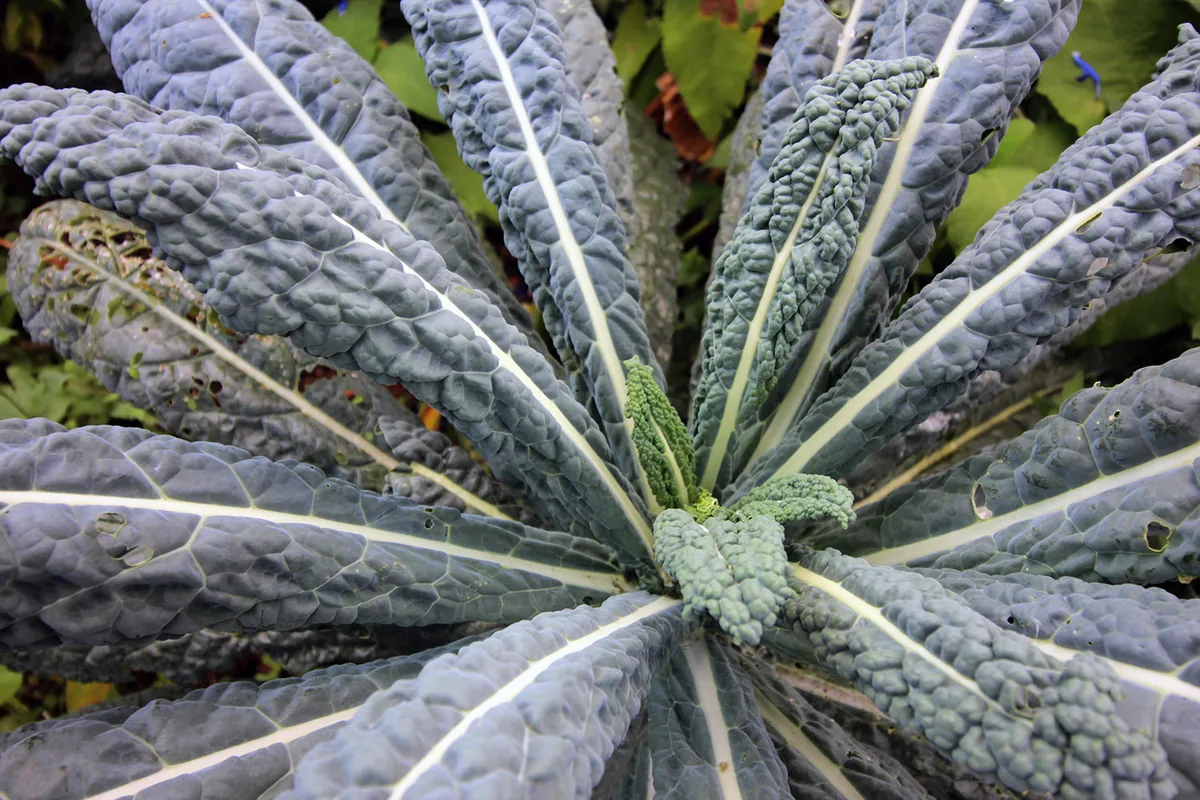
Kale (Brassica oleracea var. acephala) is a nutrient-dense leafy green vegetable that can grow up to 60–90 cm (2–3 feet) tall. It has curly or flat leaves that range in color from green to purple, depending on the variety. Unlike cabbage, kale does not form a head. It is a hardy crop that thrives in cooler temperatures and can tolerate light frosts, which enhance its flavor. Kale is known for its high vitamin and mineral content, making it a staple in many gardens. Prefers full sun but tolerates partial shade. Requires well-drained, fertile soil rich in organic matter. Needs consistent moisture; keep soil evenly moist but not waterlogged. Seeds: Direct sow in early spring or late summer for a fall harvest. Transplants: Start indoors 4–6 weeks before the last frost and transplant when strong. Cuttings: Some varieties can regrow from cut stems placed in water or soil. Leaves can be harvested when they reach 10–15 cm (4–6 inches) long. Pick lower leaves first, leaving the center intact for continuous growth. Mature plants can produce leaves for several months, especially in cooler seasons.
Permaculture Functions
- Edible: Brassica oleracea var. acephala leaves sweeten after light frost and ship glucosinolates that taste boldly raw -- massage with oil for salads or braise tough midribs when plants bolt in spring heat.
- Medicinal: Food-dose kale delivers fat-soluble vitamins K and A when eaten with oil -- anticoagulant patients should track intake because vitamin K shifts therapeutic windows for common medications.
- Dynamic Accumulator: Deep brassica roots mine calcium and magnesium into leaf tissue that you recycle by composting bolted plants -- chop residue before clubroot spores mature if brassica diseases haunt your rotation.
- Wildlife Attractor: Yellow four-petaled flowers feed early bees if you allow biennial plants to bloom -- accept caterpillar holes or cover with row fabric if you need leaves instead of insect habitat.
- Border Plant: Dwarf curly types edge beds at shin height without shading sun-loving neighbors -- tight spacing reads tidy along paths where foot traffic stays off the crowns.
Field Observations
- No field observations yet
Companion Planting
- Tomato
- Strawberry
Threats & Pressure