About
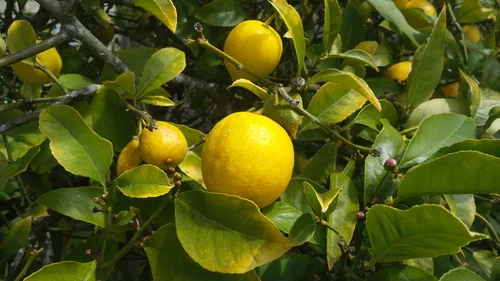
Tangelo (Citrus × tangelo) is a mandarin–grapefruit class hybrid grown for large, easy-peel fruit with sweet–tart juice and a memorable neck on classic ‘Minneola’ types. Evergreen trees resemble other mid-sized citrus: glossy foliage, fragrant blooms, and heavy spring bee traffic. It shines in humid subtropical home orchards where winter color breaks line up with holiday harvest windows and kitchen demand for something louder than a plain sweet orange. Full sun for size, sugar, and peel texture; shaded sides yield lopsided flavor. Even moisture in well-drained soil; avoid chronic wet feet that invite root rot. Protect blooms and young fruit from hard freezes; thin rinds can scar in wind if canopies are open. Grafted nursery trees preserve hybrid traits and precocity. Seeds are unreliable for matching known hybrids—treat seedlings as experiments. Topwork only with compatible citrus stock and clean cuts. Pick when flavor peaks; some types hold on-tree quality for a window, not forever. Clip stems to reduce peel tears that invite decay. Juice soon after harvest; aromatics fade faster than acid in storage.
Permaculture Functions
- Edible: Citrus × tangelo ‘Minneola’ necked fruit peels into juicy segments whose acid spine sits between grapefruit and orange -- zest oils punch up marmalade once membranes fully separate.
- Medicinal: Everyday vitamin C loads interact with calcium-channel meds -- confirm pharmacy printouts before washing pills down with fresh-squeezed juice.
- Pollinator: Heavy white citrus perfume stacks bloom weeks with grapefruit neighbors -- hive density stays honest through cool humid nights with extended nectar access.
- Wildlife Attractor: Split fruit left on canopy edges feeds orioles and raccoons -- after humans finish prime picking windows.
- Ornamental: Orange globes hang against glossy canopy backdrops along paths -- where designers stage literal fruit ornaments.
Companion Planting
- Walnut
Threats & Pressure