About
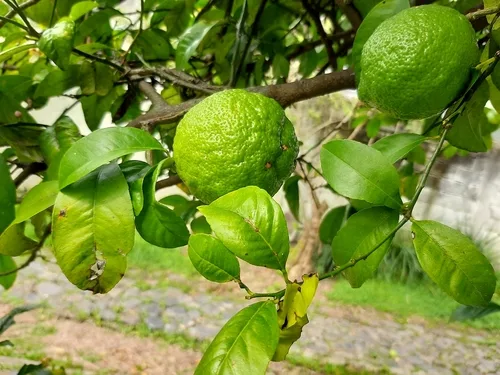
Persian lime (Citrus × latifolia) is a thornless, typically seedless lime hybrid grown worldwide for consistent fruit size, thick rind, and reliable bearing in humid subtropical orchards and backyard rows. Trees run taller than many key lime selections but share the glossy evergreen look and heavy spring bloom that perfumes an entire yard. It is the workhorse lime in markets because the fruit ships and juices with fewer seed surprises than seedy types. Full sun for dense canopies and productive wood; interior shading reduces fruiting twigs. Even soil moisture with excellent drainage—classic citrus rhythm of deep, less frequent water once roots establish. Tolerates brief cold slightly better than key lime in many sites, but flowering wood still burns when advective freezes line up with bloom. Grafted nursery trees are the norm for thornless habit and seedless fruit expression. Vegetative cloning keeps the hybrid traits; seedlings wander genetically. Topworking an older citrus frame is possible for skilled grafters with compatible stock. Pick green for classic lime punch; allow slight yellowing if you want softer acid for some drinks. Clip with pruners to avoid torn peel openings for decay. Juice freezes in cubes; zest first because the freezer steals perfume faster than acid.
Permaculture Functions
- Edible: Citrus × latifolia bears thornless, usually seedless green globes with high juice yield for cocktails, ceviche, and marmalade -- pick green for classic acid or let slight yellowing soften tang; clip stems so torn oil glands do not invite stem-end rot in storage.
- Medicinal: Peel zest and juice supply vitamin C and flavonoid glycosides used in cooling drinks -- same furanocoumarin cautions as other sweet citrus apply if you track prescription metabolism with your clinician.
- Pollinator: Heavy white waxy flowers dump nectar on honeybees during spring citrus bloom overlap -- avoid organophosphate sprays during open flower if you want fruit and living bee foragers.
- Wildlife Attractor: Split limes feed mockingbirds and rats along orchard floor unless sanitation crews run daily -- poultry under trees convert drops to eggs with honest tradeoffs for scratched mulch.
- Border Plant: Standard or semi-dwarf frames patio corners and driveway islands when skirt-pruned for mower clearance -- mulch ring beats turf volcanoes for feeder-root health in humid subtropics.
Companion Planting
- Walnut
Threats & Pressure