About
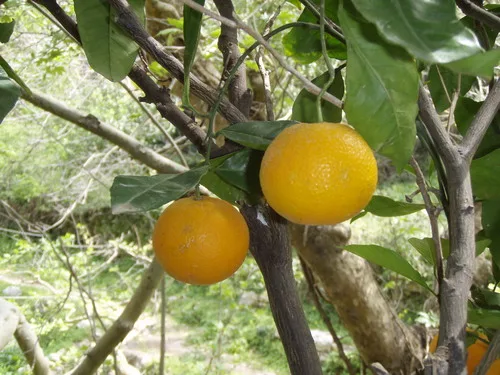
Blood orange is a pigmented sweet orange (Citrus sinensis) group whose flesh and sometimes rind blush red from anthocyanins when cool nights and genetics align. Trees match standard sweet orange habit—evergreen, rounded crowns, fragrant blooms—while fruit brings berry-like notes and visual drama to fresh eating and marmalade. In humid subtropical climates, color may be milder than in Mediterranean cycles, but flavor can still be excellent if you pick on taste, not Instagram saturation. Full sun for sugar development and rind color cues. Consistent irrigation with sharp drainage; wet feet invite root rot and nutrient collapse. Cool night temperature swings improve blush where winters actually cool; in steady tropical heat, manage expectations on red intensity. Budded or grafted trees on modern rootstocks keep size and disease traits predictable. Seeds are a genetic dice roll and delay fruiting—fine for experiments, not for planned harvests. Topwork older frames only with compatible stock and clean technique. Sample across the canopy; blood oranges can color unevenly on one tree. Juice soon after picking for brightest flavor; segments dehydrate fast in dry refrigerators. Marmalade loves the bitter edge in peel—balance sugar with honesty, not hope.
Permaculture Functions
- Edible: Pigmented Citrus sinensis groups give berry-like juice and marmalade -- when cool nights stack anthocyanins in the flesh, even if rind blush stays mild in steady tropical heat.
- Medicinal: Rind oil and juice vitamin C show up in kitchen medicine routines -- where growers already track statin and SSRI interactions with grapefruit relatives.
- Pollinator: White, intensely fragrant citrus flowers release nectar in warm-season flushes that overlap other orchard trees -- if you stagger species in the row.
- Wildlife Attractor: Fruit splits invite starlings and mockingbirds -- flagging ripe clusters early beats losing the whole water-facing side of the canopy.
- Ornamental: Blushed peel and glossy evergreen foliage read as a canopy marker along paths -- where you want food plants visible from the house.
Companion Planting
- Walnut
Threats & Pressure