About
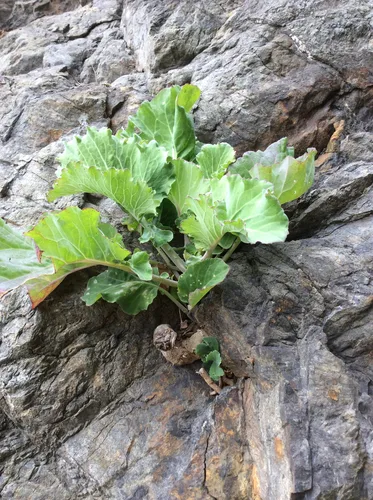
Brussels Sprouts (Brassica oleracea var. gemmifera) is a useful annual species in the Brassicaceae family, native or long-naturalized across parts of the Americas and Eurasia depending on lineage. Mature growth is typically a herbaceous form suited to layered guilds, with reliable productivity when site conditions match its ecology. In a permaculture system it contributes food, habitat, and system resilience rather than single-crop output. Best performance comes with full sun to light partial shade, depending on heat intensity. Keep soil moisture steady during establishment, then water by seasonal demand. Well-drained fertile soil works for most upland entries, while wetland species require saturated margins. Most growth accelerates between 45°F (7°C) and 70°F (21°C), with stress rising near 85°F (29°C). Direct seeding is the simplest method where climate allows; sow at the start of the local favorable season and keep the seed zone evenly moist through germination. A second pathway is transplanting nursery starts or divisions once roots are active and temperatures are stable. Woody entries can also be established from dormant bare-root stock or grafted material for cultivar reliability. Harvest edible portions at peak maturity for intended use: leafy crops before heat stress, fruiting types at full color, root crops after starch set, and nuts or grains once fully mature and dry. For ecological functions, the strongest value appears after canopy closure, flowering, and annual residue cycling, when soil cover and habitat effects become consistent.
Permaculture Functions
- Edible: Brassica oleracea var. gemmifera axillary buds swell into tight marble heads after stems vernalize -- giving long-season pickings from the bottom up if you top the plant on schedule.
- Mulcher: Stripped leaves from harvest days rot fast in windrows -- returning potassium to the bed when composted with wood chips between rotations.
- Pest Management: Sticky leaf wax and tall stem placement let you scout diamondback larvae at eye level, and inter-row mustard traps can pull moths -- if your rotation plan already includes sacrificial brassicas.
Companion Planting
No companion data yet.
- Strawberry - can compete heavily for nutrients in intensive beds.
- Onion - strong aroma helps disrupt brassica pest host finding.
- Chamomile - supports beneficial hoverflies around brassica blocks.
- Beet - occupies a different root niche and increases bed productivity.
Threats & Pressure