About
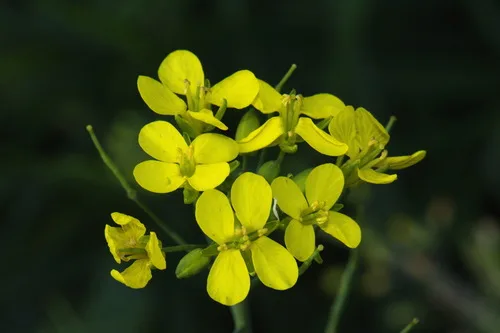
Cabbage (Brassica oleracea var. capitata) is a useful annual species in the Brassicaceae family, native or long-naturalized across parts of the Americas and Eurasia depending on lineage. Mature growth is typically a herbaceous form suited to layered guilds, with reliable productivity when site conditions match its ecology. In a permaculture system it contributes food, habitat, and system resilience rather than single-crop output. Best performance comes with full sun to light partial shade, depending on heat intensity. Keep soil moisture steady during establishment, then water by seasonal demand. Well-drained fertile soil works for most upland entries, while wetland species require saturated margins. Most growth accelerates between 45°F (7°C) and 72°F (22°C), with stress rising near 88°F (31°C). Direct seeding is the simplest method where climate allows; sow at the start of the local favorable season and keep the seed zone evenly moist through germination. A second pathway is transplanting nursery starts or divisions once roots are active and temperatures are stable. Woody entries can also be established from dormant bare-root stock or grafted material for cultivar reliability. Harvest edible portions at peak maturity for intended use: leafy crops before heat stress, fruiting types at full color, root crops after starch set, and nuts or grains once fully mature and dry. For ecological functions, the strongest value appears after canopy closure, flowering, and annual residue cycling, when soil cover and habitat effects become consistent.
Permaculture Functions
- Edible: Brassica oleracea var. capitata heads finish dense when nights cool -- giving shredded slaw, kraut, and long-ferment batches where salt percentage stays on scale for food-safe crocks.
- Mulcher: Wrapper leaves strip off at harvest for immediate compost layers, rotting hot because they are thin, wet, and already inoculated -- with field microbes.
- Pest Management: Large flat leaves show diamondback egg lays at eye level -- so paired rows of alyssum or dill can sit close enough for parasitoid wasps to move in without extra trellis hardware.
Companion Planting
No companion data yet.
- Grape - dense cabbage plantings can compete strongly with young vine roots nearby.
- Dill - attracts parasitoid wasps that target caterpillars.
- Celery - shares cool-season timing without direct root competition.
- Garlic - sulfurous aroma can reduce pest pressure in mixed rows.
Threats & Pressure