About
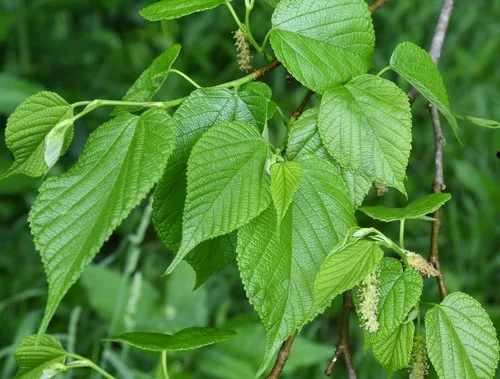
Red mulberry (Morus rubra) is a fast-growing deciduous tree native to eastern North America, bearing dark sweet fruits that stain fingers and sidewalks with equal enthusiasm. Variable leaves may be mitten-lobed; bark becomes chunky with age. It is a resilient yard tree for poultry runs, food forests, and silvopasture edges where messy fruit is a feature, not a liability. Full sun for heaviest fruiting; tolerates partial shade with fewer berries. Moderate moisture; drought tolerant once established but fruits better with even water. Adaptable soils; tolerates clay, sand, and urban edges better than many fruit trees. Seeds: sow fresh after pulp removal; stratify if storing. Hardwood cuttings root with bottom heat. Graft named selections if you found a truly superior wild tree. Pick when berries release easily and stain deep purple—taste before buckets, flavor varies by tree. Process quickly into jam, wine, or dried fruit; ripe mulberries wait for no one. Prune for clearance under branches if paths or vehicles dislike purple rain.
Permaculture Functions
- Edible: Morus rubra black-red syncarps sweeten fully when soft and stain fingers like wine must -- eat fresh, dry as “mulberry raisins,” or boil into syrup; white-fruited seedlings happen; label mother trees you like for grafting.
- Wildlife Attractor: Catkins feed silk moths; ripe fruit feeds cedar waxwings, raccoons, and foxes faster than humans pick -- accept purple sidewalk art or sheet mulch drops unless you net scaffolds.
- Shade Provider: Fast 10–20 m broad crown cools chicken runs, pig paddocks, and understory pawpaw guilds within a few seasons -- winter silhouette stays open enough for spring solar gain on dormant beds.
- Animal Fodder: Fallen fruit cleans paddocks of flies while feeding pigs and poultry extra calories -- rotate species through drip line to avoid compaction and phytophthora from constant pugging on wet clay.
Field Observations
- No field observations yet
Companion Planting
Threats & Pressure